The latest News and Information on DevOps, CI/CD, Automation and related technologies.
Thinking about breaking into the DevOps space? DevOps has become one of the biggest tech buzzwords. Tech giants – like Facebook, Amazon, or Google – have numerous open positions for DevOps engineers. But it is a competitive field to break into. So if you’ve been prepping for DevOps roles, here are some of the most common interview questions (and potential answers) to expect, including.
The days in which a business could thrive by serving customers through brick-and-mortar stores alone are long gone. Almost all retailers now offer a variety of online and offline channels, often with some degree of integration to ensure a smooth customer journey across different touchpoints. However, even these multichannel and cross-channel strategies are increasingly falling short of modern expectations.
The recent heatwave that brought record temperatures to the UK caused cooling systems to fail at a London data center resulting in downtime for Google and Oracle. According to Oracle, “Following unseasonably high temperatures in the UK south (London) region, two cooler units in the data centre experienced a failure when they were required to operate above their design limits.
GitHub is one of the most popular source control platforms available. It relies on Git concepts, and millions of developers use it. GitHub Actions embrace all aspects of what source control needs, such as branching, pull requests, feature flags, and versioning. It also integrates nicely into third-party continuous integration and continuous development (CI/CD) pipelines or deployment tools like Azure DevOps, Jenkins, GitLab, and Octopus Deploy.
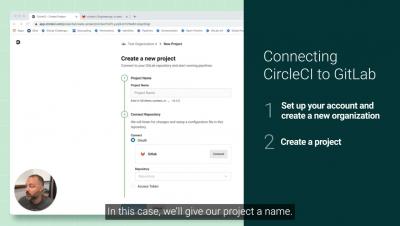
Today we are pleased to announce GitLab support on CircleCI. Teams using GitLab SaaS can now build, test, and deploy on CircleCI, and access CircleCI’s most popular features like Docker layer caching and automatic test-splitting. GitLab is now the third version control system we support, in addition to GitHub and Bitbucket.
Sysadmins, short for system administrators, serve as a crucial subset of IT engineers and support staff and are often under-appreciated. Sysadmins are the lynchpins that provide continuity, performance, and security to the systems that connect every corner of the world. When COVID-19 scattered large workforces in offices across small home office networks, organizations relied on their sysadmins more than ever before to maintain work processes.