Operations | Monitoring | ITSM | DevOps | Cloud

The latest News and Information on DevOps, CI/CD, Automation and related technologies.

Stop putting off patching!

Let's face it: no one likes patching. When I was a practitioner, we always put off patching until it was absolutely necessary. Until a business need – such as updating an application version or support ending for a version – arose, we didn't patch because "If it ain't broke, don't fix it." We all know this is a bad practice; let's remind ourselves why. The longer a system goes without being patched, the more changes will accumulate.
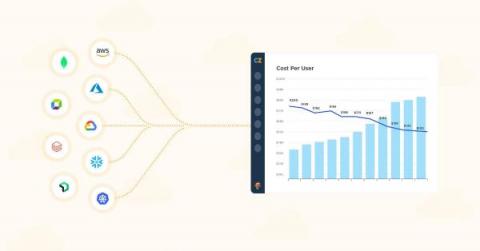
Announcing CloudZero AnyCost: Cost Intelligence For A Multi-Service World

At CloudZero, we’re confident that we can organize cloud spend better than anyone else out there. For years, we’ve helped companies to efficiently organize spend, while overcoming traditional hurdles to visibility, like shared cost, incomplete tagging, and Kubernetes. We’ve helped customers who have struggled to attribute spend to do so in a matter of days — without saddling engineering teams with new projects or embarking on a resource tagging expedition with no end in sight.

Why Preview Environments Are The New Thing in DevOps

Consider the scenario where a complex product is being developed by dozens of engineers working on different features of a product. Not only the development environment is the same, but the staging environment is also shared. As different features are merged into the shared environment, they break the code. So QA has to wait until this is fixed. A feature or bug fix may be working perfectly on the developer’s own machine, but there is no way for the QA team to test that one feature in isolation.

Monitor Cilium-managed infrastructure with Datadog

In Part 2 of this series, we showed how Hubble, Cilium’s observability platform, enables you to view network-level details about service dependencies and traffic flows. Cilium also integrates with various standalone monitoring tools, so you can track the other key metrics discussed in Part 1. But since the platform is an integral part of your infrastructure, you need the ability to easily correlate Cilium network and resource metrics with data from your Kubernetes resources.

Monitor Cilium and Kubernetes performance with Hubble

In Part 1, we looked at some key metrics for monitoring the health and performance of your Cilium-managed Kubernetes clusters and network. In this post, we’ll look at how Hubble enables you to visualize network traffic via a CLI and user interface. But first, we’ll briefly look at Hubble’s underlying infrastructure and how it provides visibility into your environment.

Key metrics for monitoring Cilium

Cilium is a Container Network Interface (CNI) for securing and load-balancing network traffic in your Kubernetes environment. As a CNI provider, Cilium extends the orchestrator’s existing network capabilities by giving teams more control over how they build their applications and monitor traffic. For example, vanilla Kubernetes installations typically rely on traditional firewalls and Linux-based network utilities like iptables to filter pod-to-pod traffic by an IP address or port.

Trunk-Based Development vs. GitFlow: Which Source Code Control is Right for You?

Managing source code with a defined method is one vital aspect of implementing effective application development. Today, two strategies for doing this stand above the rest: trunk-based development and GitFlow. Choosing the proper method for source code control is often dependent upon several factors, such as: In this article, let’s define and compare trunk-based development and GitFlow, look at the factors that drive an organization’s decision between the two.