Operations | Monitoring | ITSM | DevOps | Cloud

The latest News and Information on DevOps, CI/CD, Automation and related technologies.

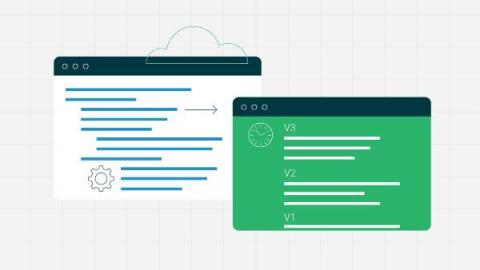
Composer Updates with Source Operations

An application on Platform.sh can define a number of operations that can be applied to its source code. Source Operations can be fully automated, which can be useful when projects need scheduled updates applied to their applications. These commands, once defined, can replace the need to push updates from a local repository by running composer update automatically.

Is Developer Self-Service a Lie?

Over the weekend, I visited one of my favorite grocery stores to pick up one item, my favorite fruit e.g star fruit. Because of the location, the grocery star started to implement parking validation so folks would not abuse their free parking deck for extended periods of time. As I just had a handful of star fruits, I decided to use the self-checkout. This was my first time buying produce via self-checkout.

The Top 5 Benefits of Automated Dependency and Discovery Mapping (DDM)

In order to manage the impact that every entity has on your IT environment, an accurate Configuration Management Database (CMDB) is essential. This tool provides the visibility you need to quickly execute tasks like daily management, determining how to fix an outage, and planning major initiatives like cloud migrations or application changes. To create and maintain an accurate CMDB, automated dependency and discovery mapping (DDM) is key.

4 Signs You Have a Cloud Migration Planning Problem

Cloud migration is a complex process, and the more up-front planning you put into it, the more likely you’ll be able to avoid challenges and setbacks during execution. And yet, challenges and setbacks seem to be the norm, not the exception, with almost three-quarters (72%) of those surveyed stating that they’ve run into problems so big they were forced to move migrated applications back on premises or jump into firefighting mode to figure out how to fix them quickly.

Implementing Microservices on AWS with the Twelve-factor App - Part 1

The Twelve-Factor methodology is a set of best practices for developing microservices applications. These practices are segregated into twelve different areas of application development. Twelve-factor is the standard architectural pattern to develop SaaS-based modern and scalable cloud applications. It is highly recommended by AWS if you are building containerized microservices. In this article, we will guide you on how to develop applications that will use microservices deployed on containers in AWS.

All things you should know to be a Meeting Master

While meetings are part of today's organizations, they can also bring some frustration preventing one from scratching its TODO list. It can be a good idea to try to promote asynchronous mediums such as Notion pages, Slack channels, etc. This page aims to bring some insights regarding WHEN / WHY holding or not a meeting.

Are metrics vendors lying? Reaction to Gergerly Orosz's tweet

Gergely Orosz said measuring developer productivity by visualizing JIRA+git stats is a dead-end if you want truly high-performing teams, and that engineering managers hang on to this hope, fueled by vendors claiming how these tools helps teams ship better/faster. So are metrics vendors lying? Find out what Don has to say. SLEUTH A deploy-based DORA / Accelerate Metrics tracker both managers and developers love.

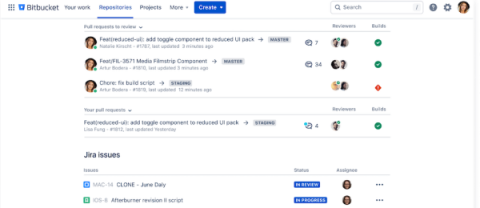
Git Integration for Jira Data Center Release: Automation for Jira

Git Integration for Jira Data Center has seen some major updates in the last quarter, including new Automation for Jira support: giving you more control and power over repository trigger actions. Let’s dive into the new features and improvements for Git Integration for Jira Data Center.