The latest News and Information on DevOps, CI/CD, Automation and related technologies.
Rancher 2.4, the latest release of Rancher’s Kubernetes management platform, includes a new CIS security scanning feature. The Center for Internet Security publishes more than 100 benchmarks for Kubernetes, which are considered the default standard benchmark for defining security of Kubernetes clusters. With Rancher 2.4, CIS scanning is an integrated part of the Rancher UI itself for RKE clusters. If you create or import any RKE cluster via Rancher, CIS Scan will work flawlessly.
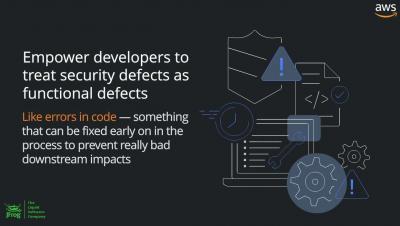
Here’s a situation that is likely familiar to you if you work in enterprise IT. The need for strong security practices is more pressing than ever, with known vulnerabilities growing exponentially, and nearly half of companies having experienced a data breach in the last two years. At the same time, organizations face demands to deploy software faster, and more frequently. IT executives consistently identify cybersecurity and speed among their top priorities.
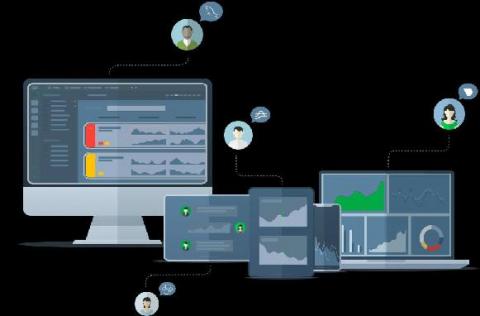
We work best by coming together. That’s why we built the JFrog DevOps Platform, bringing together our set of solutions to operate as a single, unified user experience. That unity powered by Artifactory 7 helps bring total understanding and control of your software build pipelines. To keep it running, you also need a unified, real-time view of the entire platform’s operation.
Ubuntu has supported ZFS as an option for some time. In 19.10, we introduced experimental support on the desktop. As explained, having a ZFS on root option on our desktop was only a first step in what we want to achieve by adopting this combined file system and logical volume manager. I strongly suggest you read the 2 blog posts, linked above, as introductions to this blog series we are starting. Here we cover what’s new compared to 19.10 in term of installation and general features.
Data science has exploded as a practice in the past decade and has become an undisputed driver of innovation. The forcing factors behind the rising interest in Machine Learning, a not so new concept, have consolidated and created an unparalleled capacity for Deep Learning, a subset of Artificial Neural Networks with many “hidden layers”, to thrive in the years to come.
This article explores how we can reverse engineer Docker images by examining the internals of how Docker images store data, how to use tools to examine the different aspects of the image, and how we can create tools like Dedockify to leverage the Python Docker API to create Dockerfiles from source images.