Operations | Monitoring | ITSM | DevOps | Cloud

The latest News and Information on DevOps, CI/CD, Automation and related technologies.

Deploying a serverless data processing workflow with AWS Step Functions

This is the first of a two-part blog series. In this post we’ll use Stackery to configure and deploy a serverless data processing architecture that utilizes AWS Step Functions to coordinate multiple steps within a workflow. In the next post we’ll expand this architecture with additional workflow logic to highlight techniques for increasing resiliency and reliability.

Kubernetes Master Class: Bringing Istio to Production

We all have gone through the introductory talks about Istio, but there is some confusion on how you can bring Istio in to a full production environment. In this master class, we will help you understand this journey of bringing Istio into a production environment and how it differs from your testing environments.

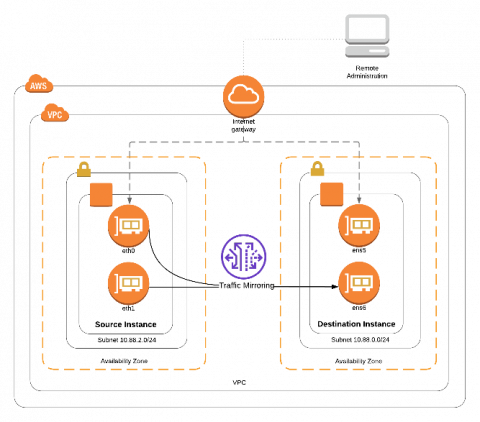
S3 Endpoint Connectivity in AWS VPC

There are a few, simple things in life I really, truly enjoy: a full breath of air, watching my kids learn and grow, and playing the piano immediately come to mind. I was reminded of another one after spending an hour with CameronB from DevOpsChat — full understanding of a complex problem. For me, it’s not finding a fix that works, I have to continue until I understand the underlying issues, but then it’s bliss.

When to Scale Up in RDS: 7 Critical Metrics

RDS is Amazon's managed relational database service. While RDS manages your databases maintenance, uptime and upgrade it is your responsibility to determine the cluster's scale and capacity. So the big question is when do you need to scale up? To answer this question you should understand and monitor seven metrics for each server in your cluster. They are: Database connections, Freeable memory, CPU credit balance, Free local storage, Replica lag, Commit latency, Select latency

A Complete Introduction to Apache Kafka

Kafka is an open source real-time streaming messaging system and protocol built around the publish-subscribe system. In this system, producers publish data to feeds for which consumers are subscribed to. With Kafka, clients within a system can exchange information with higher performance and lower risk of serious failure. Instead of establishing direct connections between subsystems, clients communicate via a server which brokers the information between producers and consumers.