Operations | Monitoring | ITSM | DevOps | Cloud

Infrastructure as Code: All you need to know

Using Code to create and manage deployments is more time-efficient and less tedious when compared to using CLI or even UI. In this blog, we explore the buzz around the usage of Infrastructure as Code (IaC) and how Terraform can be used to implement IaC. In this blog post, we will explore the good, the bad, and the ugly sides of infrastructure as code so you can make an informed decision on how (and why) to incorporate it into your workflow.
Build VS Buy: How to get the most out of your SCOM monitoring

Microsoft's System Center Operations Manager, SCOM, is one of several monitoring platforms available on the market. It is widely adopted and has great potential to help you create a stable and robust IT environment. To succeed with that, however, is not always straightforward. To fully benefit from SCOM, the right resources need to be in place and optimized- time, competence, and money.

Solving specific use cases with CFEngine policy and providing reusable modules

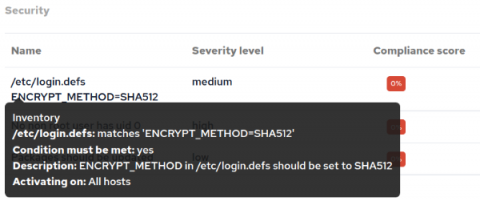
With the release of build.cfengine.com, I have been working to migrate some of our own security related policy into modules of their own. CFEngine Build and the cfbs tooling allows us to organize policy into modules, which are easy to update independently and share with other users. Let’s take the scenic route and look at what life is like with cfbs. One of our security policies requires that the password hashing algorithm in /etc/login.defs is set to SHA512.

Creating a Free Data Lake with Coralogix

Like many cool tools out there, this project started from a request made by a customer of ours. Having recently migrated to our service, this customer had ~30TB of historical logging data. This is a considerable amount of operational data to leave behind when moving from one SaaS platform to another. Unfortunately, most observability solutions are built around the working assumption that data flows are future-facing.

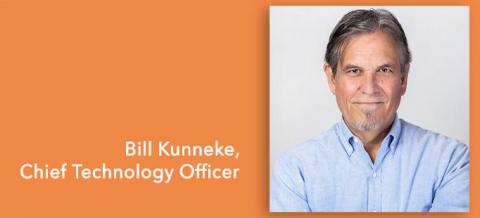
Interview with Bill Kunneke, Chief Technology Officer at Leasecake

For our latest specialist interview in our series speaking to technology leaders from around the world, we’ve welcomed Bill Kunneke, Chief Technology Officer at Leasecake. Bill has over twenty years of experience as an IT professional and a proven technical leader who delivers large and often transformative IT projects while communicating complex technical solutions to key stakeholders and executing strategic IT functions.

5 Best Practices for Successful Microservices Implementation

Microservices have significantly altered the architecture of server-side processors. Rather than a single massive monolithic codebase containing all of your application’s business logic, microservices adhere to the distributed systems concept, in which a collection of application components collaborate to meet business goals. You may create a streamlined microservices ecosystem free of superfluous architectural complications by adhering to microservices industry standards.

How to take your annual inventory?

The annual inventory is a critical step in the life of a company and involves a significant amount of work. This task, which all employees look forward to… consists of counting the company’s inventory once a year (before the end of the fiscal year). It allows you to know the real quantities of stocks in your company to see if there are differences with the quantities indicated in your software.