Operations | Monitoring | ITSM | DevOps | Cloud

How to Monitor and Optimize Your Database Performance: A Practical Guide

It’s important to be able to look at the entirety of your application architecture, not just specific aspects of it, and understand how different parts connect. Observability comes first, followed by monitoring. In this post, we’ll dive into the database part of your architecture to show how you can monitor and optimize your database performance.
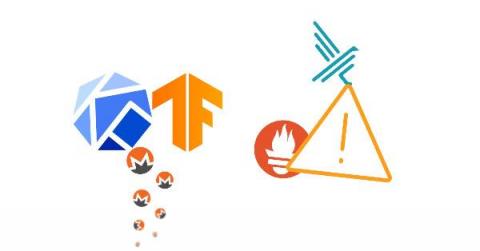
Detecting new crypto mining attack targeting Kubeflow and TensorFlow

Microsoft has discovered a new large-scale attack targeting Kubeflow instances to deploy malicious TensorFlow pods, using them to mine Monero cryptocurrency in Kubernetes cluster environments. Kubeflow is a popular open-source framework often used for running machine learning tasks in Kubernetes. TensorFlow, on the other hand, is an open-source machine learning platform used for implementing machine learning in a Kubernetes environment.

StackStorm v3.5.0 Released

June 29, 2021 by Amanda McGuinness of Ammeon Solutions and Marcel Weinberg It has been nearly 4 months since our previous v3.4.0 release and we’re super excited about this one! With Ubuntu 16.04 reaching end-of-life, we are pleased to announce support for Ubuntu 20.04 (Focal Fossa). We have also included lots of performance improvements in v3.5.0. See below, for further information on what’s included in the release.

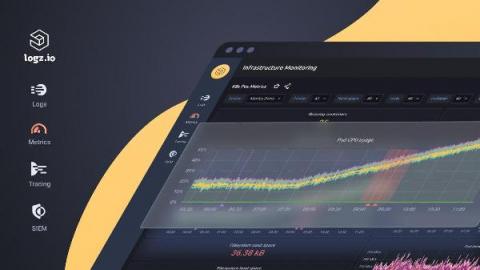
Introducing Logz.io's New Lookz!

When Logz.io was founded in 2015, we set out to simplify logging with the ELK Stack by delivering Elasticsearch and Kibana as a managed cloud service. But logs only tell part of the story – DevOps teams also need metric and trace data to better monitor the health and performance of their environment and quickly pinpoint the root cause of new problems. Importantly, using multiple tools to collect and analyze this data adds complexity and extra work.

Threat Stack and Squadcast Integration Streamlines Alerts with Greater Context

This is a guest post collaboration between Squadcast & Threat Stack. The move to the cloud has rapidly expanded the cyber threat surface of modern cloud apps. This blog in partnership with Threat Stack, outlines how you can stay on top of your game with help of context-rich alerting & resolve security incidents rapidly along with few best practices to follow for faster incident response.

Introducing Live Tail

At observIQ, we pride ourselves on delivering simple and powerful functionalities, quickly. We’re excited to announce the addition of Live Tail to the observIQ featureset. Live Tail emulates the terminal experience, giving you the ability to analyze, visualize and debug live – all in a single place. Never be worried about what the outcome of your deployment will be because Live Tail lets you troubleshoot, react and reassess issues in your deployment in real-time.

New in the Google Cloud Monitoring data source plugin for Grafana: sample dashboards, deep linking, more

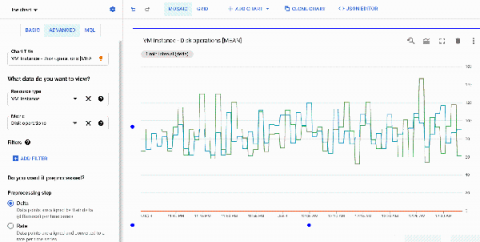
More than two years ago, the Google team began collaborating with Grafana Labs to build a data source plugin for Google Cloud Monitoring (then known as Stackdriver). Today, Grafana ships with built-in support for Google Cloud Monitoring, allowing users to add it as a data source and quickly get started building dashboards for Google Cloud Monitoring metrics. We’ve continued to make improvements on the plugin, and we’ll share in this blog post a few new features we’ve built.

PHP Workers: Everything You Need To Know

When you are on the lookout for a hosting plan or web hosting solution for your websites, you must choose a hosting solution that matches your website’s needs and requirements. The hosting plan you choose must provide the required storage space, bandwidth, and other resources that easily accommodate your website’s traffic without any performance lag or other issues.

Self-service reliability with Internal Developer Platforms and Chaos Engineering

Get started with Gremlin's Chaos Engineering tools to safely, securely, and simply inject failure into your systems to find weaknesses before they cause customer-facing issues. Up until the early 2000s, developers and Ops (at the time IT) had separate and often competing objectives, separate department leadership, separate key performance indicators by which they were judged, and often worked on separate floors or even separate buildings.