Operations | Monitoring | ITSM | DevOps | Cloud

How to host a multiple-application project on Upsun

We’re here to shed a little light on how you can host and configure your multi-app projects on Upsun with a step-by-step guide on how to set up a project on our platform. Enabling your team to focus more on creating incredible user experiences and less on multi-app infrastructure management. As well as a few multi-app development tips along the way. We’re going to look at this through the lens of a customer on the lookout for multi-application hosting with a few specific constraints.

The Power of Network Uptime Monitoring: Proactive vs. Reactive

In a world where seamless online operations are fundamental to success, the reliability of your network infrastructure can make or break your enterprise. Downtime, even for a few minutes, can result in substantial financial losses, frustrated customers, and a tarnished reputation. That's where the power of network uptime monitoring comes into play, acting as a sentinel guarding your digital fortress.

Cycle's New Interface Part III: The Future is LowOps

We recently covered some of the complex decisions and architecture behind Cycle’s brand new interface. In this final installment, we’ll peer into our crystal ball and glimpse into the future of the Cycle portal. Cycle already is a production-ready DevOps platform capable of running even the most demanding websites and applications. But, that doesn’t mean we can’t make the platform even more functional, and make DevOps even simpler to manage.

Monitor multiple Azure subscriptions in a single dashboard

Multiple Azure subscriptions are typically managed by a Tenant in an enterprise. Each subscription is tailored to a specific product, project, module, or environment. This article addresses the utilization of Serverless360 for the monitoring and managing these diverse Azure subscriptions.

How to ensure your Kubernetes Pods have enough memory

Memory (or RAM, short for random-access memory) is a finite and critical computing resource. The amount of RAM in a system dictates the number and complexity of processes that can run on the system, and running out of RAM can cause significant problems, including: This problem can be mitigated using clustered platforms like Kubernetes, where you can add or remove RAM capacity by adding or removing nodes on-demand.

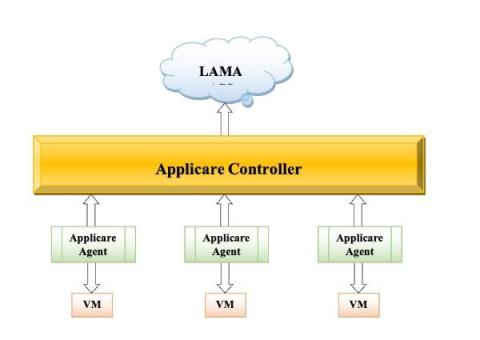
LAMA: The Brokerage Firm's Framework for Staying Ahead of the Curve

Brokerage firms are constantly under pressure to stay ahead of the competition. They need to make sure that they are using the latest technology and techniques to provide their clients with the best possible service. With constant advancements of technologies and integrations used by these brokerage systems, technical issues do arise.

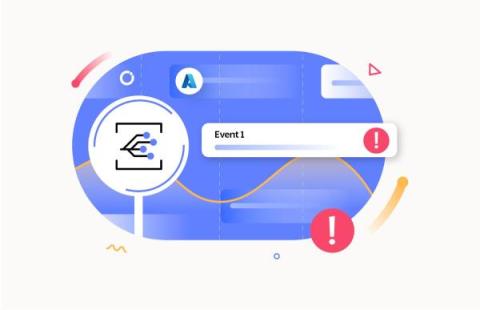
Azure Event Grid dead letter monitoring

Microsoft Azure provides a completely managed event routing service called Azure Event Grid. It allows you to respond to events received from various Azure services and external applications and forward them to different Azure services and endpoints. Azure Event Grid provides a unified way to manage events in Azure with event-driven programming. With Event Grids, you can create event-driven applications in a serverless environment, cutting down costs and performance lags.

Run Azure Functions locally in Visual Studio 2022

Azure Functions offers a serverless solution that streamlines the development process, minimizes infrastructure overhead, and results in cost savings. The beauty of this approach is that you no longer need to grapple with server deployment and maintenance; the cloud infrastructure automatically furnishes the essential resources to support your applications.

15 Ways to Use UptimeRobot to Track Changes & Improve Your Web Prowess

In this blog you will learn: Keyword monitoring, or simply put, the practice of checking if a specific word is still present on a website, has many uses beyond just monitoring your uptime and errors. Keyword monitoring allows you to receive alerts about updates to content, or checking the content of a JSON file based on the words or phrases you’re interested in.

Why automated Root Cause Analysis matters for driving down MTTR

Finding the root causes of IT anomalies can be challenging, but the rewards are worth it. By identifying the root cause or causes of an incident or critical failure, response teams can resolve incidents faster and determine the best steps to avoid having them recur. This can drive down both the frequency of service interruptions and their duration.