I’ve been a firmware engineer at two wearable companies in the past, Pebble and Fitbit, and there was always one class of customer support tickets and user complaints that never went away: issues around battery life. It was a constant game of whack-a-mole with every new firmware version introducing a battery regression.
The growing popularity of IoT devices has revolutionized the way we interact with technology. From smart homes to industrial automation, these devices have become an integral part of our lives. However, managing and monitoring a large fleet of IoT devices can be a daunting task. With the sheer volume of data being generated by these devices, it becomes crucial to have a robust monitoring system in place.
Collectd is a data collection software that allows you to fetch metrics from a machine being monitored locally and push them to Graphite. Everything is done by plugins. The collectd plugins can collect metrics on CPU, memory, Postgres, JVM, and many more metrics. Plugins can also be used to push these metrics to Graphite, aggregate data, send alerts, and send notifications to email.
Whenever we detects something wrong with your site it can send you a notification. We have multiple channels available: Slack, Telegram, webhooks, and many more. The most popular channel our users use is just a simple mail. Behind the scenes, Oh Dear uses Postmark to send out mails. Postmark will inform us whenever a notification mail results in a hard bounce. A hard bounce means that the mail won't be delivered. The most common reason for this is that the mailbox doesn't exist (anymore).
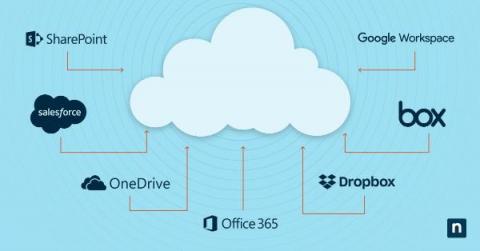
The cloud is integral to many organizations, and a substantial number regularly use SaaS applications during daily business operations. However, not all organizations have implemented backups, which can create problems such as accidental deletion, security incidents, or hardware failure. SaaS providers do not solve these problems, so the best and easiest way to protect your organization from downtime and losses is to implement SaaS Backup.
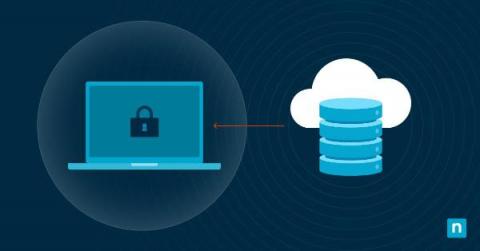
Anyone whose company has suffered a ransomware attack can tell you that the negative effects are extensive. Ransomware attacks are costly, time-consuming, and damaging to your organization whether you pay the ransom or not. Losing your data would almost certainly be a complete disaster. The question, then, is a pressing one: How do you get your data back without paying the ransom?
As an IT service provider, you’re likely dealing with all you can handle. The good news is that implementing remote management is not one more thing on your to-do list; rather, it’s an essential tool for getting tasks off your list more quickly. This post will provide an overview of remote management solutions, essential components of a good, reliable solution, and best practices that will help you get the most out of your implementation.
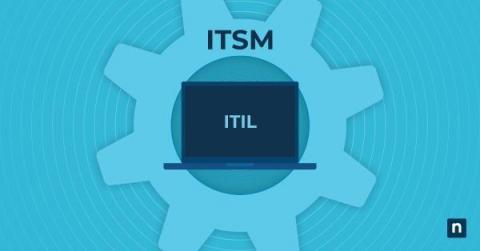
IT professionals always search for the most efficient and cost-effective solutions, methods, and best practices. The Information Technology Infrastructure Library (ITIL) and Information Technology Service Management (ITSM) are related guidelines that can help in this pursuit. Both ITIL and ITSM revolve around providing IT services. Although they prioritize and attend to different things, ultimately, their goal is to improve both efficiency and efficacy. Read more about ITIL vs. ITSM below.