Introducing the Kafka topic catalog for Aiven for Apache Kafka
New Kafka topics catalog in Aiven for Apache Kafka brings a topic-centric view of your Kafka environment directly to the Aiven console.


Whether or not you made the journey to this year’s re:Invent, there’s always a variety of great announcements lost amid an action-packed week of keynotes, breakouts, expo hall demos, and networking sessions. No need to worry—we’re always happy to be a big part of the re:Invent experience and share our observations with you.
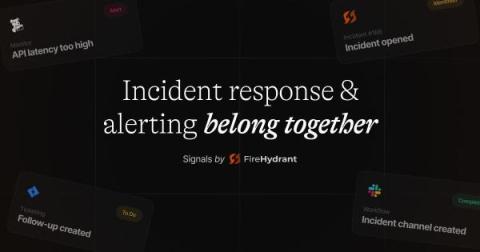
On-call scheduling is tricky. Like, really tricky. It was one of the scariest parts when we decided to build a modern alerting system earlier this year. We knew we couldn't cut any corners on Day One of our release because it needed to be a fully loaded feature for someone to realistically use our product (and replace an incumbent). This meant including windowed restrictions, coverage requests, and simple to complex rotations.
Get a dedicated internet solution with all the benefits of Megaport’s scalable network fabric in just 60 seconds.
There is more data available to us than ever. Storing this data is important — but deciding on the right type of data storage solution is not so clear. This article explores two primary types of big data storage: data lakes and data warehouses. We’ll examine the benefits of each, then discuss the key differences between a data lake and a data warehouse, so you can decide on the best approach for your business.
Monitoring Oracle databases is crucial for maintaining optimal performance, identifying potential issues, and ensuring data integrity within an organization. It allows real-time tracking of database health, performance metrics, and resource utilization, enabling timely interventions to prevent downtime or performance bottlenecks. Additionally, monitoring helps in detecting and addressing security threats, ensuring compliance with industry standards and regulations.
Monitoring VMware environments is crucial for maintaining optimal performance and ensuring seamless operations within an organization. It provides real-time visibility into the health, performance, and utilization of virtualized infrastructure, enabling proactive identification of potential issues before they impact critical systems.
Monitoring VMware environments is crucial for maintaining optimal performance and ensuring seamless operations within an organization. It provides real-time visibility into the health, performance, and utilization of virtualized infrastructure, enabling proactive identification of potential issues before they impact critical systems.
Monitoring Microsoft 365 is crucial for maintaining a secure and efficient digital workspace. It enables real-time tracking of user activities, ensuring compliance with security protocols and identifying potential threats or anomalies. Continuous monitoring helps in the early detection of issues, preventing downtime and data loss, while also providing insights for optimizing system performance.