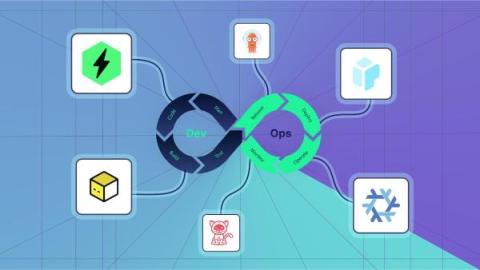
DevOps isn’t just a methodology; it’s a culture that fosters collaboration, automation, and continuous improvement within an organization. Conducting a successful DevOps assessment is crucial for understanding where your team stands in its DevOps journey and identifying areas for enhancement. To ensure a comprehensive evaluation, focus on these four pillars.
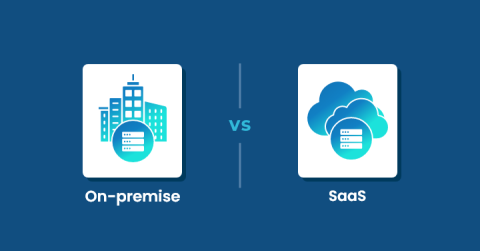
On-premise or SaaS network monitoring tool: which one to choose? This question has been bugging many businesses for quite a few years now. And no matter how much I hate to say it but the answer to this burning question is — it depends. Yes, it depends on several factors. In this blog, we will list all those factors that you should keep in mind before making this decision.
The single pane of glass is perhaps the most enduring and elusive goal of enterprise IT operations teams. When we polled our customers a couple of years ago, out of 184 respondents, 99% of them rated it as important to their business – with 64% indicating “extremely important”. The shared dream is to have: But unfortunately, the single pane of glass has become a bit of myth.
As we approach 2024, the DevOps and SRE landscapes continue to evolve, bringing forth a new generation of tools designed to enhance efficiency, scalability, and reliability in software development and operations. In this post, we'll dive into some of the most promising tools that are shaping the future of Continuous integration and deployment, monitoring and observability, infrastructure/application platforms, incident management & alerting, security, and diagramming.
Cribl’s internal metrics are very handy for seeing what Cribl is doing. And while there are many data points related to input vs output volumes, sometimes you need more control over what you’re tracking. This pack allows you to route arbitrarily defined traffic through a stats tracker to capture changes in event count and volume. Perhaps you are onboarding a new host, or trialing a new Pipeline.
The best practices and principles of the IT Infrastructure Library (ITIL) 4 show IT service management (ITSM) service providers the importance of building a strong infrastructure that creates business value, adapts to change, tracks capabilities, and embraces automation. Without collaboration between ITSM service providers and different functions of the enterprise, however, the benefits of ITIL 4 best practices are minimized.