Imagine this: You are an engineer at a startup. You are responsible for keeping all the applications running smoothly and safely in production. At first, you have things under control, but soon enough things start getting more complex.
The hotel industry is huge, and they are inventory intensive as well. For example, hotels have lots of facilities where customers can spend their time such as restaurants, cafes, showrooms, etc. These all facilities have an abundance of inventory and hotels themselves have rooms that are the biggest inventory for hotels as they help in generating revenue. Therefore, it is important to have an inventory management strategy so that inventory is not wasted.
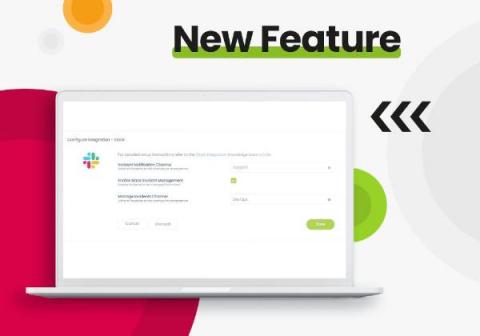
These days, more and more IT teams spend much of their workday in Slack. It’s essentially a second virtual home. For those employees who find Slack their main source of communication, it stands to reason that you need to access tools, bots, apps, and more – directly within the Slack environment. You shouldn’t have to leave your home to get your work done, and you shouldn’t have to leave Slack to communicate with and update your team and your clients.
With the release of Avantra 21.11.4, we’ve introduced a new step library feature to allow our Avantra Professional Edition customers to build complex and reusable automations faster. I think the best way to describe the benefits of a step is to create a simple implementation to guide you through the process. The step library allows users to create individual steps outside of a workflow that behave just as the standard, pre delivered steps do when creating a workflow.
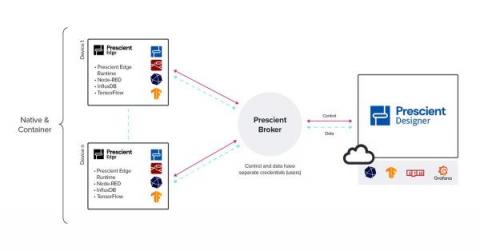
Prescient Devices focuses on changing the way businesses think about and use edge data and industrial IoT. The company built Prescient Designer, an edge data solutions platform that gives organizations the boost they need to transform their IT/OT processes. Prescient’s products empower data engineers, system integrators, and innovators to easily design and orchestrate edge-to-cloud data solutions.
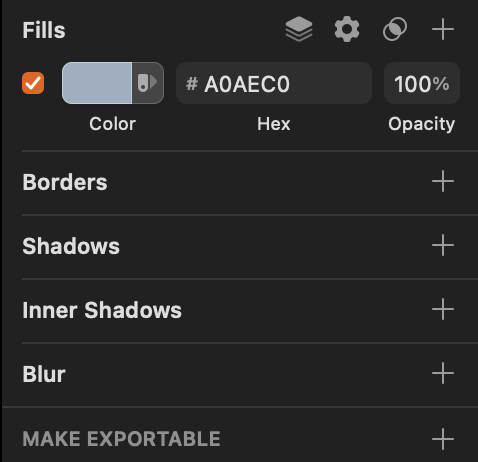
In the previous blog post I talked about how we are implementing the Oh Dear redesign. In this post I go into more detail on why and how we implemented a tailwind-like color system which supports all the colours used throughout the redesign.
Although modern iOS devices are capable of handling a wide range of intensive and complex tasks, the device may seem slow if you are not paying close attention to how your application operates. Performance improvements mentioned in this article are intended to make your code more readable and performant; however, select cautiously as per your needs. Oftentimes, altering or improving architecture and code refactoring takes more time and effort.
After these last releases Kubewarden now has support for verifying the integrity and authenticity of artifacts within Kubewarden using the Sigstore project. In this post, we shall focus on verifying container image signatures using the new verify-image-signatures policy. To learn more about how Sigstore works, take a look at our previous post
In the spirit of highlighting the importance of Status Pages and how they impact users, we gathered actual stories from various Uptime.com employees. A time in their lives where they landed on a company’s status page (outside of work) to investigate problems they were experiencing. Enjoy!