With Google’s new support for Windows containers on Google Kubernetes Engine, you might be eager to start bringing your .NET-compatible Docker workloads to Google Cloud Platform. JFrog is ready to help you hop aboard. In fact, Artifactory’s bags are already packed.
There’s a lot going on in the world right now. The current healthcare crisis is making a lot of companies reconsider their next moves and forcing them to radically rethink how they operate and embrace technological investment in their warehouses and distribution centers. Also, Windows-based handheld computers that have long been found in the hands of warehouse workers for picking, packing, loading, inventory, etc., are nearing the end of life.
As Elasticsearch users are pushing the limits of how much data they can store on an Elasticsearch node, they sometimes run out of heap memory before running out of disk space. This is a frustrating problem for these users, as fitting as much data per node as possible is often important to reduce costs. But why does Elasticsearch need heap memory to store data? Why doesn't it only need disk space?
TL;DR: yes, API Gateway can replace what a Load Balancer would usually provide, with a simpler interface and many more features on top of it. The downside is that it doesn’t come cheap. Load balancers have been one of the most common ways to expose a backend API to the public or even to an internal/private audience. API Gateways seem to provide the same functionality: map and connect HTTP requests to a backend service. So, are they the same or are there any differences?
Outsourcing OpenStack operations can significantly accelerate the OpenStack deployment process. Although most organisations are successful with the initial roll-out of the cloud, many struggle to operate it effectively post-deployment. Under certain circumstances, a fully managed OpenStack can also be a cheaper option than the self-managed one. We have recently published a webinar in which we demonstrated a detailed cost analysis of both options.
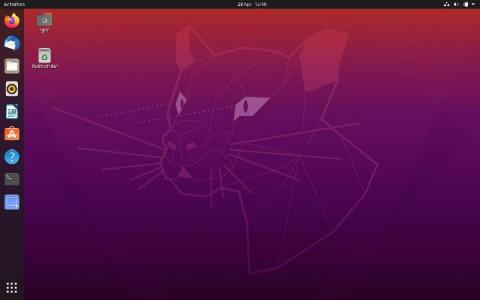
Ubuntu 20.04 LTS (Focal Fossa) was officially released on April 23. This is the latest Ubuntu Long Term Support (LTS) release, with security patches and updates available until 2025. If you are currently using an older version of Ubuntu, you may be interested in upgrading. In this tutorial, we will show how to safely upgrade from Ubuntu 18.04 LTS (Bionic Beaver), the previous LTS, to the current one.