3 Essential Software for Presenters, You Must Have Try!
If you want to deliver a successful presentation and implement your skill in the next presentation, you can’t miss these three useful tools.


Common issues with digital signages When it comes to digital signages, most businesses think about them from the same perspective they use when executing other collaterals, such as print advertisements. These business leaders prioritize branding: the look and feel of the signage should be faithful to the brand, any elements from the brand bible should be rendered accurately, and the tone of the copy should be consistent with the brand voice.
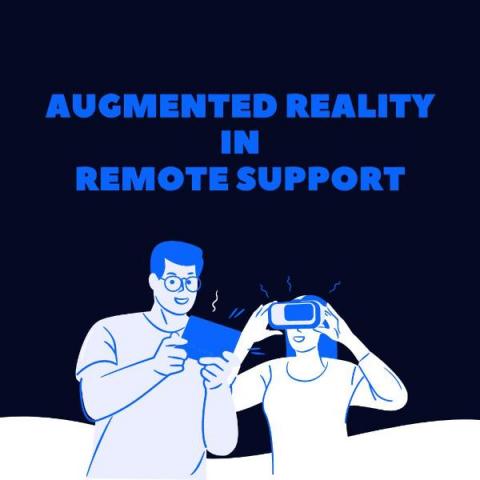
While many people may have a basic understanding of virtual reality (VR), most are not as familiar with the concept of augmented reality (AR). Virtual reality is a completely immersive experience that separates the viewer from the physical world through the use of a VR device that the user wears. In contrast, augmented reality typically uses a camera on a smartphone to add digital elements to a live view.
3 things to know about IT Remote Support software: Remote support software is designed specifically to help businesses provide customer support by troubleshooting software and hardware issues using a variety of tools. In contrast to remote access and control software, customers that receive remote assistance support must give consent to allow access to an IT technician to view their device’s screen.