The latest News and Information on Monitoring for Websites, Applications, APIs, Infrastructure, and other technologies.
Open-source software started around the millennium and is now one of the cornerstones of modern software development. Open-source projects make their source code available to anyone so that engineers across the world can inspect the code to find bugs or make changes to suit their needs. Today, there are more than 180,000 open-source projects available, according to Wikipedia. We at StackState are big believers in open-source software.
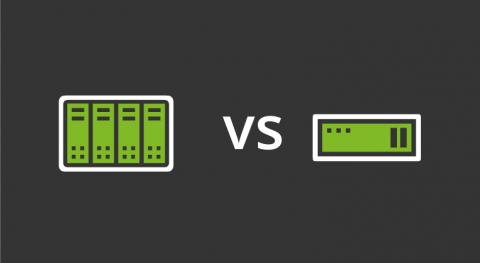
Choosing between blade servers or those intended to go installed in a rack is a small headache that is repeated daily in the complex minds of technicians around the world. What configuration to choose? What can best serve my installation? These are questions that are repeated while they pull out their silvery and silky hairs.
Application performance monitoring (APM) and logging both provide critical insight into your ecosystem. When paired together with context, they can provide vital clues on how to resolve problems with your applications. As the log data you analyze becomes more complex, navigating to the relevant pieces can be tricky using traditional tools. With Elastic Observability (powered by the Elastic Stack), correlating logs with APM is as simple as a few clicks in Kibana.
At Stackify, we’re all about helping you improve your application’s performance. We have actually developed two code profilers ourselves. Because of that, we like to think we know a thing or two about code profiling. Today I want to talk about the three different types of code profilers, describe the differences between them, and recommend some tools for your toolbox.
Today we’re pleased to announce the general availability of InfluxDB Enterprise on Microsoft’s Azure Marketplace. We’ll dive into all of these below, but first, let’s take a step back in case you’re not familiar with time series databases. If you’re looking for a time series database, here are three things to look for.
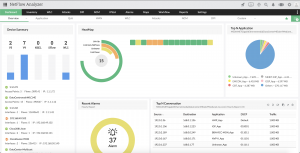
Ever since the work from home (WFH) and study from home (SFH) initiatives became widespread due to the outbreak of COVID-19, there has been a huge effort among organizations to either set up new broadband connections or upgrade existing connections with higher bandwidth speeds. No matter the number of command centers an internet service provider (ISP) might have, keeping up with users’ demands—whether it’s about network speed or volume—can be a colossal undertaking.