Operations | Monitoring | ITSM | DevOps | Cloud

The latest News and Information on Observabilty for complex systems and related technologies.

What Databases Taught Me About Scaling Observability

I recently attended a virtual event and heard the speaker comment, “Relational databases don’t scale.” To my ears, this is about as silly a statement as saying, “No one can eat 26 hot dogs in 12 minutes” right before Kobayashi shows up and eats 50. In my experience, relational databases scale when they’re placed in the hands of someone who knows what they’re doing. Just imagine if Kobayashi was your data architect!
Sponsored Post

The Five Myths of Observability

Observability is a term that has gained a lot of traction in recent years, particularly in the realm of software engineering and DevOps. At its core, observability refers to the ability to gain insight into the internal workings of a system by observing its external outputs. This allows engineers to diagnose and troubleshoot issues with the system, as well as to monitor its performance and behaviour.

How can observability cultivate collaboration among engineering teams?

If an application breaks, much time is spent shifting blame instead of solving the problem at hand. With synthetic monitoring, teams can come together to identify problems before they occur and hence assign them to the correct people to get them solved.

How to monitor Kubernetes with Grafana and Prometheus: Inside Powder's observability stack

David Calvert is a site reliability engineer working remotely from the south of France. He’s currently focused on observability, reliability, and security aspects of cloud infrastructure. You can find him as dotdc on GitHub and @0xDC_ on Twitter. Over the past three years, I’ve built and operated Kubernetes clusters for two different companies — the first one on-premises, and the second on a public cloud platform for my current job at Powder.

How to Deploy a Cribl Stream Leader, Cribl Stream Worker, and Redis Containers via Docker

In this video, we’ll walk through how to deploy a Cribl Stream leader, Stream worker, and Redis containers via Docker. Then we’ll show how we can bulk load data into Redis, then use it to enrich data in Stream.

Bifurcating Observability Data To Multiple Destinations

Are you just getting started with Cribl Stream? Or maybe you’re well on your way to becoming a certified admin through our Cribl Certified Observability Engineer certification offered by Cribl University. Regardless, using Cribl Stream to send data from one source to many destinations is something you’ll want to try. So if you’re ready, read on!

Author's Cut-A Sample of Sampling, and a Whole Lot of Observability at Scale

Brick by brick, block by block—if you’ve been with us throughout our Author’s Cut blog series (and if you haven’t, you can go catch up), you’ve seen us build the case for observability from the ground up. We’ve covered structured events, the core analysis loop, and use cases for managing applications in production—and that’s just to start.

The Year of the Observability Pipeline

As we begin the new year, it is customary to reflect and identify areas we can continue to grow in 2023. Whether it’s joining the local gym, starting a new diet, or taking up a new hobby, this time is always full of promise to continually improve. The same can be said for digital businesses of every size and across every vertical. Macroeconomic trends have especially made this time one of reflection for a number of organizations.

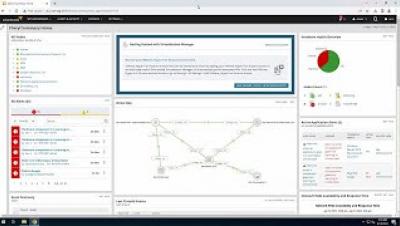
The Reality of Machine Learning in Network Observability

For the last few years, the entire networking industry has focused on analytics and mining more and more information out of the network. This makes sense because of all the changes in networking over the last decade. Changes like network overlays, public cloud, applications delivered as a service, and containers mean we need to pay attention to much more diverse information out there.