Operations | Monitoring | ITSM | DevOps | Cloud

The latest News and Information on Status Pages and related technologies.

How to monitor external SaaS service outages

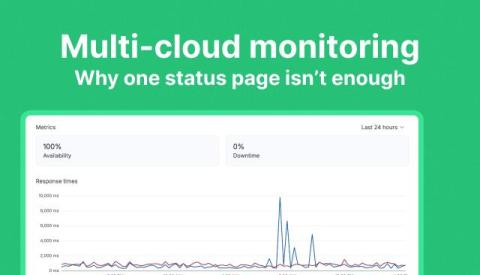
Modern infrastructure is no longer just about what you build and run internally. Most DevOps and system administration teams rely on a growing number of external SaaS services, including cloud providers, monitoring tools, authentication systems, CI/CD platforms, communication tools, and more. When one of these services fails, your application may still look healthy internally, while users are already experiencing issues.

Introducing StatusGator's Accessibility Conformance Report (VPAT)

At StatusGator, accessibility is a core part of how we build and deliver our product. Today, we’re sharing our latest Accessibility Conformance Report (VPAT), which reflects our ongoing commitment to creating inclusive and usable experiences for everyone.

GitHub outage on April 23, 2026

On April 23, 2026, the first signs of trouble with GitHub did not come from its status page. They came from users. As reports began surfacing across developer communities, including discussions on Hacker News, engineers described failed workflows and unexplained server errors. At that point, GitHub had not yet acknowledged any issue. StatusGator, however, was already seeing the pattern and issued an Early Warning Signal at 14:33 UTC.

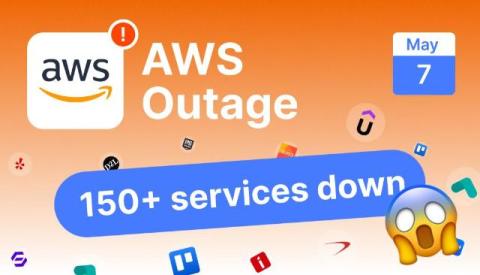
AWS Outage History: What Engineering Teams Should Learn

If you've been running production workloads on AWS for more than a year, you've felt it: the 3 am PagerDuty alert, the scramble to check the AWS console, the frantic Slack thread asking, "Is this us or is this AWS?" And then, minutes or hours later, the AWS Service Health Dashboard finally acknowledges what your users have been experiencing all along. It happens because AWS is the backbone of modern infrastructure.

New: More control with Recovery Notices

We’ve added a new notification option to give you more control over how and when you get alerted: Recovery Notices. Until now, notifications were primarily focused on incidents – letting you know when something goes wrong. But we heard from many of you that not all alerts are equally useful. While some teams want full visibility across the entire lifecycle of an incident, others are mainly concerned with when a service goes down, not when it comes back up.

Bitbucket outage on April 16, 2026: StatusGator detected issues 77 minutes earlier

On April 16, 2026, Bitbucket experienced a widespread outage that disrupted pipelines and core functionality for users around the world. StatusGator detected the issue 77 minutes before the provider officially acknowledged it, using its Early Warning Signals. This early detection gave teams critical time to respond, even while the official status page still showed everything as operational.

Claude outage April 2026: what happened and how it was detected early

On April 9, 2026, Claude experienced a widespread but inconsistent outage that left many users unable to access or interact with the service. StatusGator detected the issue early and sent an Early Warning Signal 59 minutes before the provider officially acknowledged the outage. This incident highlights how early detection can provide critical lead time when official status pages lag behind real user impact.
Sponsored Post

How to Monitor AWS Status: Don't Wait for the Health Dashboard

The AWS Health Dashboard is slow, sometimes broken during major outages, and only tells you what AWS admits is broken. Real SREs layer three monitoring sources: AWS-native tools (CloudWatch, EventBridge), third-party aggregators (IsDown), and internal synthetic checks. Skip the vendor status page as your primary alert source.