N-able Announces Milestone Adoption of Backup and Recovery Solution for Microsoft 365
Since solution launch two years ago, over 4,000 N-able partners are protecting more than 25K Microsoft 365 customer domains.


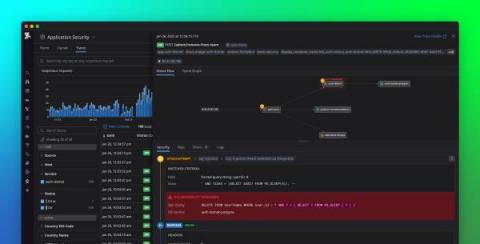
Securing modern-day production systems is expensive and complex. Teams often need to implement extensive measures, such as secure coding practices, security testing, periodic vulnerability scans and penetration tests, and protections at the network edge. Even when organizations have the resources to deploy these solutions, they still struggle to keep pace with software teams, especially as they accelerate their release cycles and migrate to distributed systems and microservices.
mainstorconcept’s z/IRIS software provides performance monitoring solutions for IBM mainframe z/OS systems, so you can assess your mainframes’ health and their impact on mission-critical services. With support for OpenTelemetry, z/IRIS creates integrable observability data from your mainframe systems.
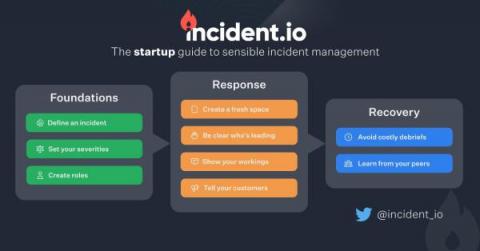
If you’re working at an early stage startup and looking to get some good incident management foundations in place without investing excessive time and effort, this guide is quite literally for you. There’s an enormous amount of content available for organisations looking to import ‘gold standard’ incident management best practices – things like the PagerDuty Response site, the Atlassian incident management best practices, and the Google SRE book.
CFEngine and Ansible are two complementary infrastructure management tools. Findings from our analysis show that they can be combined and used side by side with joint forces to handle all areas in the best possible way. Part of infrastructure management is hosts deployment, either when building a brand new infrastructure or when growing one by adding new hosts.
Are you confused about which Azure Storage Service to use, for mapping a drive, or just dumping large amounts of data in to? This post goes indepth in to the differences between Azure Blob Storage and Azure File Services.
While MSPs have been making significant investments in security and offering services, it is a challenge to keep up with the frequency and evolving sophistication of today’s cybersecurity threats. Defense in Depth (DiD) is the foundation on which most MSPs have built a layered security approach for dealing with them.