
Operations | Monitoring | ITSM | DevOps | Cloud

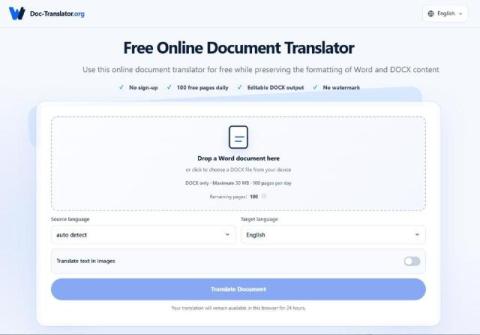
How Global IT Teams Can Translate DOCX Change-Management Documents Without Breaking Their Structure

A planned infrastructure change may involve engineers, service managers, security reviewers and regional support teams. When these people work in different languages, the change record must communicate the same implementation steps, risks and rollback conditions to everyone. A vague or misplaced instruction can delay approval and create confusion during the maintenance window.

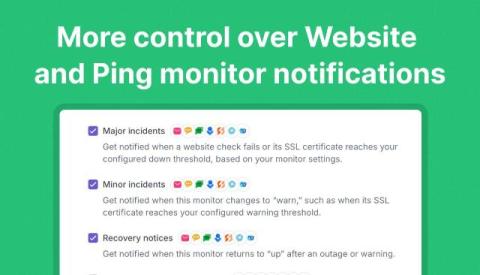
More control over Website and Ping monitor notifications

You can now choose which status changes trigger alerts for Website and Ping monitors, bringing the same notification control previously available only for Service monitors. Keep recovery notifications on, focus on downtime, or include SSL warnings for your websites. Adjust each monitor to receive the alerts that matter to you.
Featured Post

We've Never Shipped Code This Fast. Understanding It Hasn't Kept Up.

Ask anyone where dev ends and ops begins and they'll struggle to draw the line. That's the point of the last decade of DevOps: the two disciplines merged so completely that the boundary stopped mattering. But ask where building ends and understanding begins, and everyone answers instantly. Right after deploy.

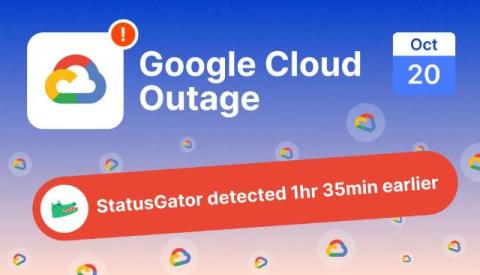
Google Cloud outage on October 20, 2026: a europe-west2 power event and 171 possibly affected services

A power event in Google’s europe-west2-b (London) zone triggered a wide Google Cloud outage on October 20, 2026, taking down dozens of services including Cloud SQL, BigQuery, Compute Engine, and Kubernetes for customers across the UK and beyond. StatusGator sent an Early Warning Signal at 07:02 UTC, 1 hour and 35 minutes before Google Cloud publicly acknowledged the incident at 08:37 UTC. The ripple effect was wide: StatusGator tracked 171 other services showing signs of impact during the outage.

Ship SecOps changes like software: Modernizing the SOC without breaking what works

Cribl gives security teams control over their data: what they collect, where to send it and how much to keep. The rest of the SecOps stack hasn’t kept pace. Detections, parsers and configurations spread across SIEMs, pipelines and data lakes still change by hand, so every cost cut, migration or new source turns into weeks of manual validation, and plenty of planned changes never happen at all. SecOps as Code closes that gap: every change ships like software, with testing, version control and rollback across the entire infrastructure.

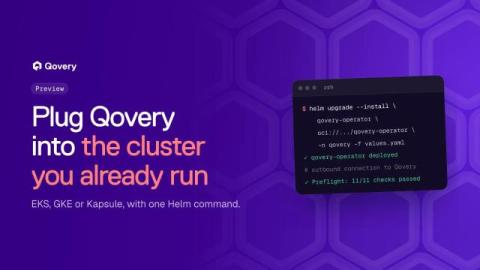
Plug Qovery Into the Kubernetes Cluster You Already Run

BYOK on EKS, GKE and Kapsule now runs through the Qovery Operator: install it once with Helm on a cluster you already run, and deploy Qovery's component updates from the Console. Now in Preview, for clusters without cert-manager, ExternalDNS or Envoy Gateway. Pierre is a staff engineer on the Qovery platform team. He works on the Qovery Operator and the platform catalog that install and update Qovery on Kubernetes clusters.