How Truma uses Enterprise Alert for reliable alerting
This video shows how Truma secures its production, business processes, and IT with the extension of PRTG with Derdack's reliable alerting solution Enterprise Alert.


Event correlation and AIOps go hand-in-hand. Event correlation is the process of identifying patterns in data that may indicate a problem or opportunity.
As organizations grow and become more complex, so does the need to monitor and troubleshoot issues across the entire IT infrastructure. Event correlation is a powerful technique that can help make sense of the huge volume of alert data generated by monitoring systems and identify problems as they occur. In this blog, we’ll look at event types, use cases for event correlation and approaches that organizations can use to get the most out of this valuable tool.
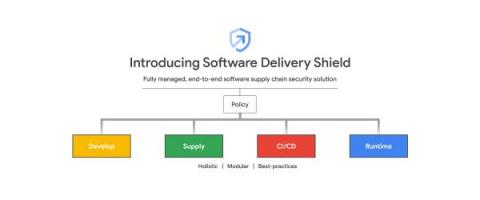
Organizations and their software delivery pipelines are continually exposed to growing cyberattack vectors. Coupled with the massive adoption of open source software, which now helps power nearly all of our public infrastructure and is highly prevalent in most proprietary software, businesses around the world are more vulnerable than ever. Today’s organizations need to be more vigilant in protecting their software development infrastructure and processes.
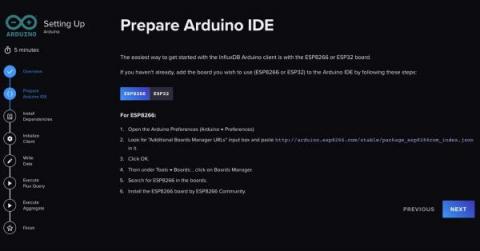
We love to write and ship code to help developers bring their ideas and projects to life. That’s why we’re constantly working on improving our product to meet developers where they are, to ensure their happiness, and accelerate Time to Awesome. This week, we are covering a product release that we think will save you time and effort when onboarding to time series and InfluxDB using Arduino.
Whether you have two or two dozen developers working on features for your product, updates can introduce bugs or unwanted changes. Therefore, before merging a feature branch to production, you can review all the changes with our preview deployment feature. It allows you and your team to quickly and easily check that the latest changes work as desired. It also allows you to share feedback and helps prevent “it worked on my machine” scenarios.
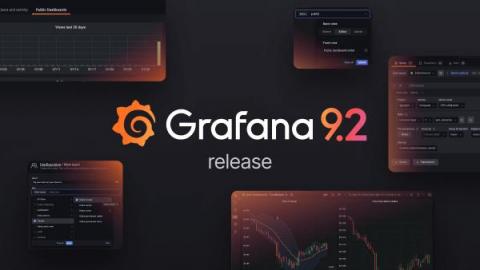
Welcome to Grafana 9.2, a jam-packed minor release with a wide range of improvements to help you create and share Grafana dashboards and alerts. Along with new developments for public dashboards and support for Google Analytics 4 properties, Grafana 9.2 offers new ways to connect with support teams about panel issues, a simplified query variable editor for Grafana Loki, improvements to access control, and much more.
You’ve probably been using Puppet Forge modules to manage bits in your infrastructure for years. If you’re like most of us, you’ve gradually added more modules and maybe you’ve lost track of exactly what some of them do and on what nodes they’re declared. You may even suspect that you have modules installed that you haven’t actually used in years…. only you’re not quite certain which modules those might be. I am certainly guilty of this!
At Honeycomb, the datastore and query systems that we manage are sociotechnical in nature, meaning the move to observability requires a sociological shift as much as it does a technical one. We've covered the technical part in several prior discussions for our Authors’ Cut series, but the social aspect is a little squishier. Namely: How do you solve the people and culture problems that are necessary in making the shift to adopt observability practices?
The Microsoft Call Quality Dashboard (CQD) does a solid job of helping admins check call and meeting quality across their Teams setup. But wouldn’t it be handy if you could get more out of CQD and make optimizing Teams for your business easier? Here are 3 ways to do just that. Although Microsoft provides the core quality data for you to accurately monitor Teams performance, there are other things you can do to augment your call quality dashboard.