Operations | Monitoring | ITSM | DevOps | Cloud

Introduction to Time Series Forecasting with Tensorflow and InfluxDB

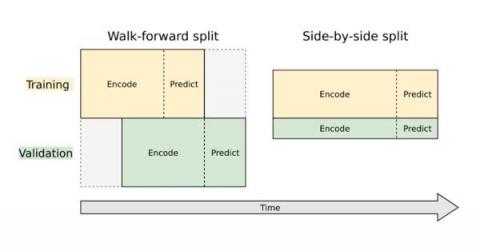
Wouldn’t it be nice to be able to perfectly predict the future? We are a long way from being able to do that, but that is basically the goal of anybody working in the data science field — take a bunch of historical data and then try to make future predictions based on that data.

Monitoring Distributed Systems

There was a time when standing up a website or application was simple and straightforward and not the complex networks they are today. Web developers or administrators did not have to worry or even consider the complexity of distributed systems of today. The recipe was straightforward. Do you have a database? Check. Do you have a web server? Check. Great, your system was ready to be deployed.

5 Things Developers Need to Know About Kubernetes Management

Kubernetes management can be daunting for developers who don’t have specialized understanding of the orchestration technology. Learning Kubernetes takes practice and time, a precious commodity for devs who are under pressure to deliver new applications. This post provides direction on what you need to know and what you can skip to take advantage of Kubernetes. Let’s start with five things you need to know.

Four powerful Alerting workflows

Since its release last month, Alerting has quickly ingrained itself into the incident response workflow at some of the most technically advanced companies in the world. We’re here to empower your team to do the same. In this blog, we’ll run through four common alerts that you can implement today to ensure you’re maximizing the full potential of Alerting.

Announcing support for Graviton2-powered AWS Fargate deployments

AWS Fargate is a serverless compute engine that allows you to deploy containerized applications on services like Amazon ECS without needing to provision or manage compute resources. Now, Datadog is proud to be a launch partner with Amazon for their support of AWS Fargate workloads running on Graviton2, Amazon’s proprietary ARM64 processor.

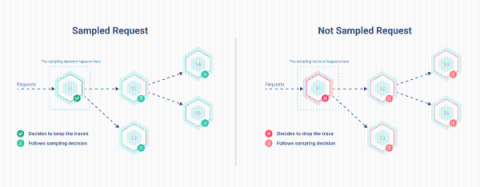
How to Keep Traces for Slow and Failed Requests

Today we are introducing Local Tail-Based sampling in Kamon Telemetry! We are going to tell you all about it in a little bit but before that, let’s take a couple minutes to explore what is sampling, how it is used nowadays, and what motivated us to including local tail sampling in Kamon Telemetry.