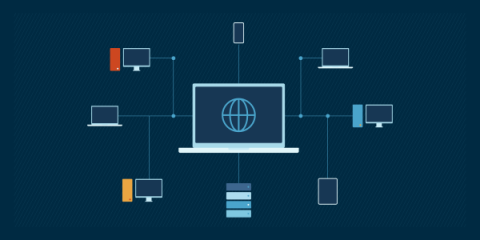
For a successful business, you need to introduce an effective monitoring system covering all areas of your business and infrastructure - servers, databases, services, overall traffic, and even revenue collected. The users of this monitoring system can be system administrators, software engineers, information engineers, as well as all sorts of analysts.
Time series data (also known as time-stamped data) refers to a collection of observations (data points) measured over time. When plotted on a graph, one of the axes for this type of data will always be time. Because time is part of every observable entity, time series data can be used in all kinds of industries, like the stock market, weather data, logs, and traces.
In this podcast, our panellists discuss the foundations that any team needs to put in place when designing their incident management process. Starting from the basics of defining what we really mean by an incident, to how to set your severity levels, roles and statuses, Chris and Pete share their tips for building solid foundations to run your incidents.
At Kentik, we pride ourselves as innovators and thought-leaders for network observability. “Kentik is network observability” is more than a slogan for us. It’s an idea that informs our product roadmap and guides our problem-solving with customers. We’ve done a lot to explain network observability to prospects.
In today’s complex, hybrid world of work, collaboration and productivity can quickly give way to chaos and silos if organizations don’t prioritize digital business transformation. At ServiceNow, our solutions help companies make the most of their digital business efforts by connecting teams, processes, and silos. Zoom has a similar goal: to help people connect, collaborate, and work together.
As a former incident responder and now as a responder advocate for FireHydrant, I’ve seen the “build vs. buy” debate play out many times. In fact, I even supported the tool that former employers used for managing incidents for years before they decided to buy (more on that in a future blog post).