Operations | Monitoring | ITSM | DevOps | Cloud

CFEngine in a High Performance Computing environment

In High-Performance Computing (HPC) uptime and performance are very important. HPC is an area of computing that often focuses on research and development, supporting teams with extremely complex problems they need to solve, and heavy computation mathematical problems, such as protein folding for vaccine development. To achieve this, HPC systems rely on high performance, the equipment is expensive, and the average customer has very high demands.

Anodot - Autonomous Business Monitoring

Business metrics are notoriously hard to monitor because of their unique context and volatile nature. Anodot’s Business Monitoring platform uses machine learning to constantly analyze and correlate every business parameter, providing real-time alerts and forecasts in their context. Anodot reduces detection and resolution for revenue-critical issues by as much as 80%. We have your back, so you’re free to play the offense and grow your business.

New and improved dashboards: PromQL, Teams sharing, and more!

To accompany Sysdig’s announcement of the first cloud-scale Prometheus monitoring offering, we had to re-architect our dashboarding experience from the ground up to support the Prometheus query language, PromQL. The query language is the standard method to query metrics within the ecosystem, and it’s an entirely new way to slice and dice metrics within Sysdig Monitor.

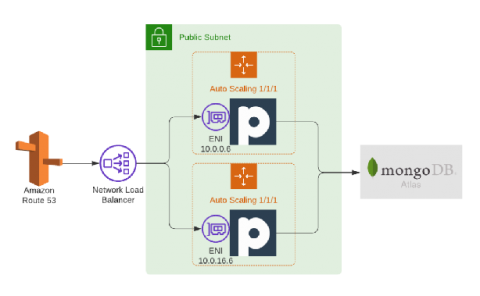
From OpenVPN to Pritunl VPN: The transition

Usually, organizations use an internal network to prevent unauthorized people from connecting to their private network. By using their own network infrastructure and connectivity, they can maintain their desirable level of security for their data. But it would be convenient for users to connect to that private network while they are away from the office through their own internet connection.

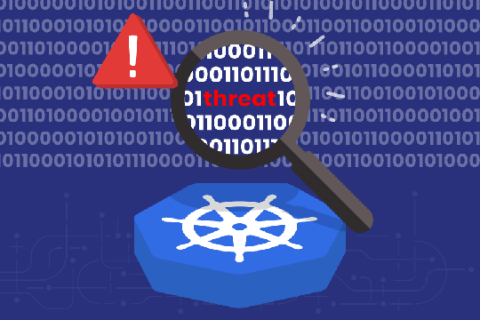
Kubernetes Security: Lateral Movement Detection and Defense

What is Lateral Movement? Lateral movement refers to the techniques that a cyber-attacker uses, after gaining initial access, to move deeper into a network in search of sensitive data and other high-value assets. Lateral movement techniques are widely used in sophisticated cyber-attacks such as advanced persistent threats (APTs).