Operations | Monitoring | ITSM | DevOps | Cloud

Container deployment showdown: Docker or Kubernetes?

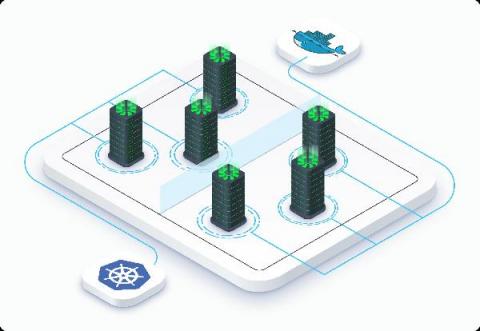
Monitoring the current state and performance of applications is critical for IT Ops and DevOps teams alike. Understanding the health of an application is one of the most effective ways of anticipating potential bottlenecks or slowdowns, yet it’s one of the largest challenges faced by many organizations that build and deploy software. This is largely due to applications’ distributed and diversified nature.

What is GitOps, Where Did It Come From, and Why Should You Care?

“What is GitOps?” – a question which has seen increasing popularity on Google searches and blog posts in the last three years. If you want to know why then read on. Quite simply, the coining of GitOps is credited to one individual, and pretty smart guy, Alexis Richardson. He’s so smart that he’s built a multi-award-winning consultancy, Weaveworks, and a bespoke product, Flux, around the GitOps concept.

The Importance of Communication in Software Development Teams

Programming is often thought of purely as a problem-solving activity. This may be true for the lone coder in their garage, but in the multi-person environment of an Agile team, such problem solving must be collaborative. In this article, we’ll look at the role of communication in software development, particularly in an Agile framework. Covid-19 has forced an unprecedented shift to remote working so we’ll finish up with a discussion of how Agile can be implemented in a remote setting.

How to Optimize Your Elasticsearch Queries Using Pagination

Consider for a moment that you are building a webpage that displays data stored in Elasticsearch. You have so much information in your index that your API Gateway cannot handle it all at once. What you’ll need to do is paginate your results so that the client can have a predictable amount of data returned each time. Before paginating your results with your client, you will need to know how to paginate data in your backend storage.

Looking Back as we Move Forward: A Pandemic Journey - Part 2

Over a year after COVID-19 was declared a global pandemic, the hope of speaking about it in the past tense is something we all still hold on to. Not only are we still being challenged by it in the present, but it has changed the way we think and do many things. However, just because something has become normalized over time (out of necessity) doesn’t mean that everyone has adjusted without incident.

Automating key rotation for CI/CD pipelines

With the new Contexts API release, developers can save their team valuable time while enhancing security practices. We know maintaining your organization’s security is crucial. There is the need to meet strict compliance guidelines, such as FedRAMP and GDPR, and what seems to be an increasing number of breaches, like the compromise of over 150,000 video security cameras as a result of a targeted Jenkins server.

How We've Built an Open Source Community at Mattermost

Our community has been at the heart of what makes Mattermost great since the earliest days. The first community members were people who were trying out the earliest versions of the platform, filing bugs and wanting to make feature improvements. Our open source community has grown, contributing thousands of pull requests, from new features and plugins to translations and documentation.

It's Never Too Late to Improve Your Personal Security Posture

Security is everyone’s responsibility. That’s it. That’s the whole point. (I may be spending too much time with Leon, but it had to be said.) If you have a security team, or even just one person who is tasked with security, it’s easy for the rest of the team or department to fall into a trap, thinking there’s nothing more you need to do. You’re wrong.

Creating Custom Event Views in SQL Sentry

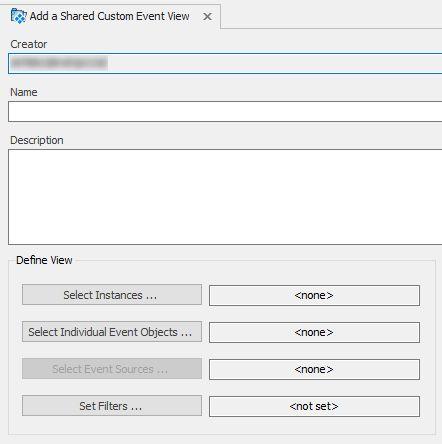
If you’re using SQL Sentry regularly, there’s a great event management feature that provides a lot of value for our advanced users. I often find the SQL Sentry Event Calendar isn’t being used as often as it once was. The Event Calendar lets you view historical and future events, drill down into event failures, and reschedule jobs using drag and drop all from within the SQL Sentry desktop client. In addition, you can create custom views of events you need to reference frequently.