Operations | Monitoring | ITSM | DevOps | Cloud

Best Practices for Using Splunk Workload Management

Workload management is a powerful Splunk Enterprise feature that allows you to assign system resources to Splunk workloads based on business priorities. In this blog, I will describe four best practices for using workload management. If you want to refresh your knowledge about this feature or use cases that it solves, please read through our recent series of workload management blogs — part 1, part 2, and part 3.

The Daily Telegraf: Getting Started with Telegraf and Splunk

In this blog post, we discuss using Telegraf as your core metrics collection platform with the Splunk App for Infrastructure (SAI) version 2.0, the latest version of Splunk’s infrastructure monitoring app that was recently announced at Splunk .conf19. This blog post assumes you already have some familiarity with Telegraf and Splunk. We provided steps and examples to make sense of everything along the way, and there are also links to resources for more advanced workflows and considerations.

AWS: How did we monitor the cloud in 2019?

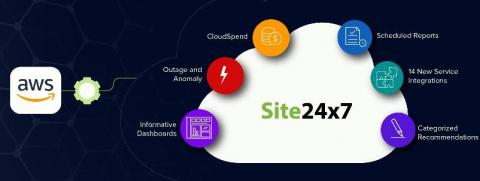
We had a busy 2019 with a substantial number of Amazon Web Service (AWS) integrations into Site24x7, each providing a seamless monitoring experience for our customers. The increasing number of paid AWS monitors is proof that we enhanced the monitoring expectations in 2019. In case you missed any updates about the AWS monitoring platform, here's a year-end review.

5 Pitfalls to Kafka Architecture Implementation

Let’s face it—distributed streaming is an exciting technology that can be leveraged in many ways. Use cases include messaging, log aggregation, distributed tracing, and event sourcing, among others. Distributed streaming can result in significant benefits for companies that choose to use it, but, when not implemented correctly, it can initiate a frustrating technical debt cycle. How do you know if you’re properly implementing Kafka in your environment?

What are the alternatives to hiring a DevOps?

Congratulations!! After 3 months of hard work, your developer has done an incredible job and your brand new web application is ready to be put online. But wait a minute… Who is going to put it online? Try to ask your developer to do it - there is a good chance that he can’t. Why? Deploying applications is not necessarily a part of their qualifications. And even if he is able to, who's going to make sure it's always available and scale as your business grows?

Don't Let DevOps be Your Trojan Horse

Don’t let the title mislead you, we love DevOps here at Cycle. Without proper DevOps processes, building and scaling cloud-based applications can become a nightmare for maintainability. A proper DevOps plan brings together an organization’s developers, QA support, and operations teams to pursue the goal of delivering software more predictably. An admirable goal for any team and something that can be immensely helpful for even small teams to become more efficient.

Why Transaction Tracing is Critical for Monitoring Microservices

Teams switching from a monolithic application architecture to microservices often face a jarring realization: their time-tested troubleshooting techniques don’t work as effectively. A microservice consists of many independent, distributed, and ephemeral services with varying capabilities for monitoring and logging. Techniques such as stack traces are effective troubleshooting tools in monoliths, but only paint a small portion of the big picture in a microservice-based application.

IT Security: Thought Leaders' Predictions for 2020

Chris Goettl is many things to many people. Family man. Homebrewer. PC gamer. Hockey player. And IT security guru and thought leader. As Director of Product Management, Security, at Ivanti, Chris is a highly sought-after expert for his insights into how organizations can strengthen their enterprise IT security in an increasingly demanding environment. Chris hosts a monthly webinar focusing on Patch Tuesday and security vulnerabilities, and frequently blogs about security topics.

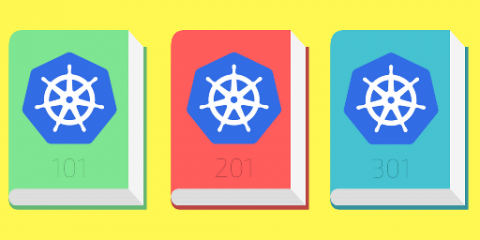
Top Kubernetes Tutorials & Resources for All Levels

If you are a developer who uses containers, chances are you and your team have heard about Kubernetes. At its core, Kubernetes is a container operating system for the web, but has grown to be much more. Sure, Kubernetes can manage your containers, network traffic, and bring up a crashed ad, but it has also become a widely adopted platform with a growing community.