Operations | Monitoring | ITSM | DevOps | Cloud

The Sentry Workflow - Resolve

Errors suck. And you don’t want to spend too much of your time fixing them, dealing with them, investigating them, etc. In our Workflow blog post series, we look at how to optimize your, well, workflow, from crash to resolution. At this point in our workflow (check out the first and second posts in this series), we’ve minimized the impact of errors on the development process by creating infrastructure and culture equipped to handle unexpected issues.

Statuspal as Alternative to AdminLabs

It’s always sad to see products shut down, even if they are our competitors, so it’s the case of AdminLabs, as some new customers have brought to our attention. So we want to let any previous users of AdminLabs know, you’re welcome here at Statuspal, let us help you have a smooth transition to the only hosted status pages provider as feature rich, that provides native monitoring features right within your status page dashboard.

Our Must-Read Blog Posts from the First Half of 2019

2019 is turning out to be the biggest year so far for OpsRamp. In the first half of 2019, we have delivered significant innovation on the product front, interacted with partners and prospects at trade shows, gained recognition from leading industry influencers, hired amazing individuals, and accelerated our go-to-market momentum. Here are some quick highlights for your review: It has also been a busy time on our blog, with 40 different posts on all things related to digital operations management.

Flamegraph: How to Visualize Stack Traces and Performance

So you want a faster application? If you’ve not heard of a flamegraph, it can be a great way to improve and gain insight into your application performance. Today, we’ll explain what a flamegraph is. We’ll cover the stack trace and its origin, the call stack. Finally, we’ll define the flame graph and show how to leverage it for improving the performance of your application. Sound good? Let’s get to it. Before we get to what a flamegraph is, we need to discuss stack traces.

7 Free Tools to Manage Your Sites More Efficiently

Managing your online businesses or websites should be compared to managing brick-and-mortar outlet shop. The difference is that you are managing it on digital devices. But with rapid growth in technology and digital trends, there are so many apps and tools available today to help you manage. With so many choices one could be confused about which apps and tools work best. These seven free online tools will help you manage your sites or online businesses.

Top 11 Incident Response Influencers to Follow in 2019

The incident response industry is anything but static, and it is often said that the key to staying ahead is staying informed. But that’s easier said than done. Faced with the increasing sophistication of cyber attacks and the growing complexity of IT architectures, we often drown in our daily slew of tickets and alerts, with no time left to spare.

How to inspire exceptional contributions to your open-source project

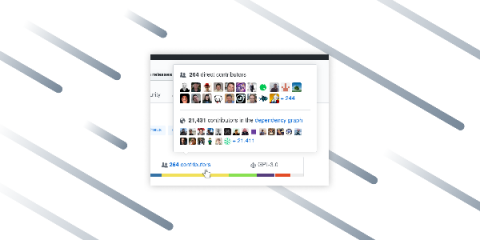
Netdata must be doing something right when it comes to inspiring contributions. Our open-source, distributed monitoring agent has on GitHub and has seen contributions from hundreds of people: . We’ve even hired a handful of our contributors to work full-time on making the Netdata ecosystem even more powerful. The community is passionate about what we’re building, and they’re actively interested in making it work better for their particular needs.

Apache Tomcat Monitoring with ELK and Logz.io

Apache Tomcat is the most popular application server for serving Java applications. Widely-used, mature and well documented, Tomcat can probably be defined as the de-facto industry standard. Some sources put Tomcat’s market share at over 60%! Tomcat is particularly popular for serving smaller applications since it doesn’t require the full Java EE platform. It consumes a relatively small amount of resources and provides users with simpler admin features.

2019 PHP Monitoring Options

There is no denying the popularity of PHP. It has been a constant force in the web development world since its release way back in 1995. And now in 2019, thanks to Laravel, it is still going as strong as ever! Here at Scout, recently we have been working hard on providing a PHP performance monitoring agent to sit alongside our existing ruby, python and elixir agents.

How To Track Timeouts In Honeybadger

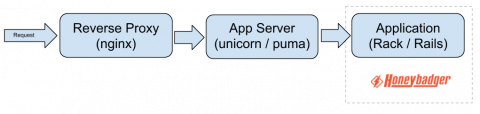
The other day a long-time customer wrote in with a problem. They use Honeybadger to monitor their Ruby apps for exceptions but were having trouble catching timeouts. If their app took too long to respond, their application server, Puma, would abort the request. The only insight their team had into this problem was through Puma's logs. Most people consider timeouts to be a kind of error, so it'd be nice to have them reported by Honeybadger like any other errors.