Operations | Monitoring | ITSM | DevOps | Cloud

Cloud or Bust: Why U.S. Architects Are Racing to the Cloud

Over the past decade the American architecture studio has moved from plotters and local servers to browser tabs and virtual desktops. What began as a trickle of webbased file sharing is now a torrent of cloud adoption that is reshaping how homes are imagined, costed, and delivered. In 2024, about 70 % of U.S. architecture firms report using cloudhosted Building Information Modeling (BIM) tools, and more than 61 % say a cloud deployment strategy is now their default for new projects.

Real-Time Monitoring Solutions for Modern Web Applications

Web applications have evolved from simple static sites into complex distributed systems spanning multiple servers, services, and geographical locations. This evolution has created new challenges for monitoring these applications effectively. Today's web stacks require comprehensive visibility across all layers to ensure optimal performance and reliability.

SQL analytics - unified querying across any API

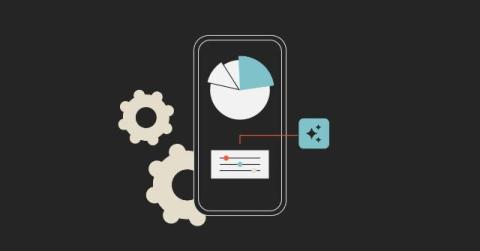
SQL is just for querying relational data, right? Well, not necessarily! With our SQL Analytics feature, you can run SQL queries over all types of data from all kinds of backend stores. This gives you incredible flexibility and power – you can even combine different types of entity (e.g. a pull request and a pipeline run) in a single query. Equally, I could have datasets with job tickets from Jira, ServiceNow and Zendesk and combine them in a single query.

What Is an API Outage? Why It Happens and How to Avoid It

APIs are a big part of how modern applications or services work. They act as bridges, allowing systems to talk to each other and share data. Whether it's logging into an app or making an online payment, an application programming interface helps make that process smooth. But what happens when an API suddenly stops working? Even a short outage can cause a disruption. It can break features, delay operations, and impact users and businesses alike.

From Logs to Metrics Part 2: Building an Open-Source Logs-to-Graphite Pipeline

Monitoring doesn't always need to be complex. In this guide, we'll show you how to transform some raw logs into usable metrics using a lightweight, open-source setup. We'll also use the Telegraf agent to convert logs into Graphite metrics that you can easily visualize and alert on. This is ideal for system admins, DevOps beginners, or anyone interested in building more innovative monitoring pipelines from scratch.

How to Use SQL Server Filtered Indexes for Better Queries

SQL Server’s filtered index is one of the most effective features for improving query performance and reducing index maintenance. Whether you’re working with big tables that don’t have much data or queries that constantly filter by the same conditions, filtered indexes offer a smart way to focus only on the rows that matter most.

Shut Down Cryptojackers and Strengthen Kubernetes Security with NeuVector

The threat landscape for cloud-native environments like Kubernetes is always on the move. Attackers continuously apply sophisticated techniques. Cryptojacking, the unauthorized use of computing resources to mine cryptocurrency, is a particularly concerning threat. Cryptojacking can lead to performance degradation, increased operational costs, and potential security breaches. Recent high-profile incidents underscore the importance of addressing these threats.

Internet Latency: What Is It, How to Measure It, and How to Improve It

Internet latency, the often-overlooked delay between sending and receiving data, can mean the difference between a flawless video conference and a frustrating, glitchy mess. Measured in milliseconds (ms), these microscopic delays accumulate, creating tangible performance issues across all online activities.

OpenTelemetry PHP: A Detailed Implementation Guide

Monitoring complex PHP applications can be challenging. When systems span multiple services and environments, traditional logging approaches often fall short. OpenTelemetry offers a solution - an open-source, vendor-neutral framework that standardizes how we collect and export telemetry data. This guide covers practical implementation steps for DevOps engineers working with PHP applications.