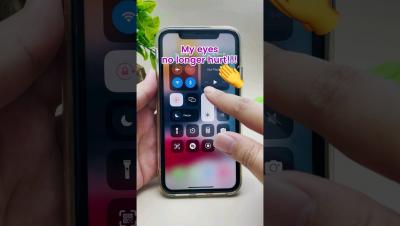
Tips for Reduce Eye Strain on iPhone
If your eyes hurt often while using a phone in the dark, you may have a try.


Data Privacy Day is an international event observed on Jan. 28 in the United States, Canada, Nigeria, Israel, and 47 European countries. It’s a time to raise awareness about data protection best practices. At ServiceNow, one day is not enough to focus on data privacy. We prioritize protecting personally identifiable information (PII) for organizations and individuals every day of the year. One of the best ways to do that is through data anonymization.
Microsoft Windows, one of the world’s most popular operating systems, has declared that support for Windows 7 - 8/8.1 operating systems will come to an end. In the next few weeks, this update will drive significant changes for both IT professionals and MSPs. Mark January 10th, 2023 in your calendars because that’s when the era of Windows 7, 8, and 8.1 will come to a close.
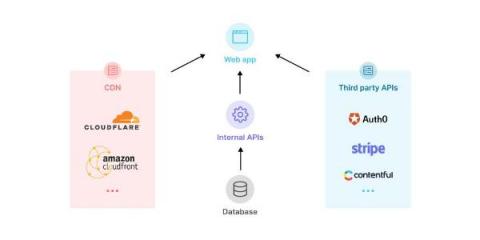
The increasing complexity of modern websites and web applications means that a dependency on Application Programming Interfaces—or APIs—is unavoidable. APIs are used throughout software to define interactions between different software applications. They are also indispensable to businesses as they enable them to develop applications that can scale and provide a wealth of services without the need to build every software or server component from scratch.