Operations | Monitoring | ITSM | DevOps | Cloud

Bringing SCOM Override Sprawl Under Control With PowerBI

Have you ever wondered where all your SCOM overrides are stored? Want to easily find the source and target of each override? In this webinar, we showcase our new PowerBI based tool, designed to turn your override spaghetti into orderly overrides. Using our Microsft PowerBI Sankey Diagrams you can easily see your override MPs scope and destination, enabling you to visualize and then take control of your overrides with Easy Tune, our free alert tuning solution.


Take the first step toward SRE with Cloud Operations Sandbox

At Google Cloud, we strive to bring Site Reliability Engineering (SRE) culture to our customers not only through training on organizational best practices, but also with the tools you need to run successful cloud services. Part and parcel of that is comprehensive observability tooling—logging, monitoring, tracing, profiling and debugging—which can help you troubleshoot production issues faster, increase release velocity and improve service reliability.

Truly Doubling down on open source #2

Earlier this week, I wrote a blog stating our intention to fork Kibana and Elasticsearch. This was a huge decision on our end, one that we did not take lightly. A few days have passed since this announcement and I wanted to share how humbled and excited we are with the responses from companies and individuals who are eager to participate and contribute.

Level Up 2020 Highlights

Hear from LogicMonitor leadership on some of the biggest announcements and additions to the LM product suite in 2020. We release an array of features that allow IT and Dev Ops teams to have full visibility into every corner their infrastructure, and with the addition of LM Logs we're on a mission to provide an extensible, fully unified observability platform.

Building powerful tailored SCOM dashboards with Enterprise Applications (Part 1)

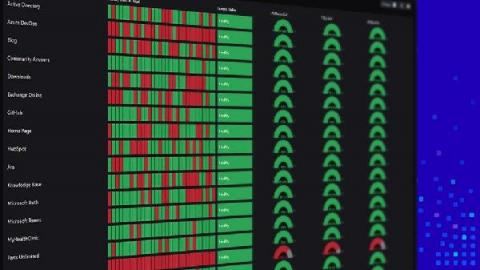
In my position, I get to work with a wide variety of organizations that each have a different level of monitoring maturity. But I’ve noticed an emerging pattern that I’ll call the ‘Critical Service Offering’ or ‘Executive Level Status’ dashboard. At their most basic level, these dashboards should communicate the current health of the application, provide some historical context and, most importantly, not be tied to infrastructure monitoring.