When it comes to network monitoring all types of IT infrastructure ranging from consolidated to distributed workload conditions even the largest insurance company face challenges. Although, the organization gets access to a large human capital base, enjoys the trust & brand equity of millions of customers, and always has resources to immediately address its strategic concerns. But still to monitor the hybrid IT environment and get a comprehensive picture is in itself a challenge!
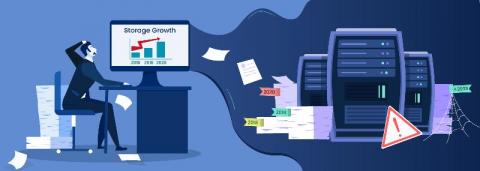
As file storage grows rapidly year after year, new challenges arise around keeping data safe and maintaining control over data storage systems. Who owns which files? Whose files take up what volume of enterprise storage? Which files have become obsolete? How many copies of a file exist, and where? Are there any stale files that contain sensitive data? These questions require up-to-date answers to ensure that business, compliance, and data security needs are easily and effectively met.
Technology trends transform human behavior permanently. In the past decade, we have improved as a society by embracing digital lives that drive faster collaboration and automation and save us a significant amount of time. The IT Operations landscape is not any different, and artificial intelligence (AI) is at the forefront of that.
While auditing the Kubernetes source code, I recently discovered an issue (CVE-2020-8563) in Kubernetes that may cause sensitive data leakage. You would be affected by CVE-2020-8563 if you created a Kubernetes cluster over vSphere, and enabled vSphere as a cloud provider with logging level set to 4 or above. In that case, your vSphere user credentials will be leaked in the cloud-controller-manager‘s log.
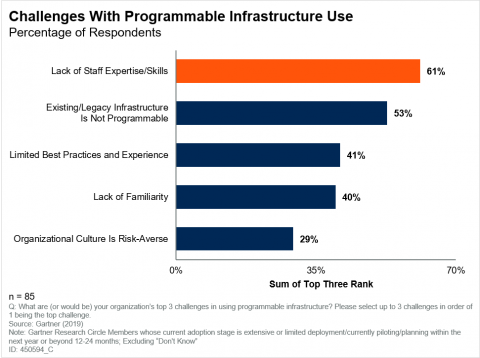
A hybrid infrastructure strategy is integral in creating a successful digital transformation in your enterprise. Programmable infrastructure (PI), or Infrastructure as Code, makes these strategies work in the real world. This blog will cover some highlights from the Gartner Report on why I&O leaders must adopt programmable infrastructure to enhance customer-focused agility.
As defined by ITIL an ‘Incident’ is an unplanned disruption or reduction in quality of service and a ‘Problem’ is the underlying thing that caused the Incident. They are obviously related and there are endless pages on the internet going into incident and problem management as part of ITSM, so we won’t delve into this topic in any detail. The key issue is resolving the incidents themselves isn’t always enough, you need to get to the route cause of the problem.
If you’re building applications and running services in Microsoft Azure, SquaredUp for Azure is a presentation layer that sits on top of the Azure APIs enabling you to produce effective, informative and engaging dashboards.
Amazon Web Services and Microsoft Azure do not need any formal introduction. They are two major players in the cloud computing and virtualization industry. AWS leads with about 32% market share. On the other hand, Azure is the next closest with about 17% market share. Both the tech giants, AWS and Azure, have been on an onward growth trajectory with revenue boosts coming in every quarter.