Operations | Monitoring | ITSM | DevOps | Cloud

7-Step Cloud Transformation Roadmap

Before we can talk about the nuts and bolts of cloud transformation, it’s important to make the distinction from digital transformation. The two are often conflated, and while they are related, they are not the same—the cloud is the enabler of digital transformation. If you’re starting from scratch, cloud-native is the way to go.
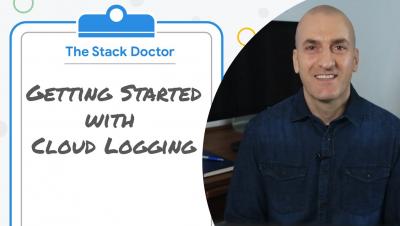

Getting started with Cloud Logging

Want to make sure that your cloud services are free from any vulnerabilities, threats, or errors that can make it unreliable? In this episode of Stack Doctor, we show you the new features in Google Cloud Logging, teach you how to navigate the new and improved Logs Viewer and build log queries, and give you an in-depth analysis of the Log Router. Watch to learn what’s new with Cloud Logging!

Debug JavaScript in Google Chrome's Dev Tools in 7 easy steps

This article will focus on debugging JavaScript code within Google Chrome’s Developer Tools. Chrome’s Developer Tools are extremely powerful and will almost certainly speed up your troubleshooting process. We’ll be using Raygun Crash Reporting to find the stack trace and the line of code the error occurred on. You can sign up for a free 14-day trial here. So, let’s dive in!

Master the art of VPN encryption: The ITOM podcast [Episode 2]

Gear up as The ITOM podcast returns with an all new episode specially tailored to help ease all your remote work woes in an IT environment. In the last episode, we discussed VPNs, their protocols, and the advantages of using a VPN in the remote work setting. Episode 1 helped set the stage for us to dive deeper into the nuances of VPN security and encryption. Encryption helps transform confidential information into cipher text or coded text for safe transit across secure VPN tunnels.

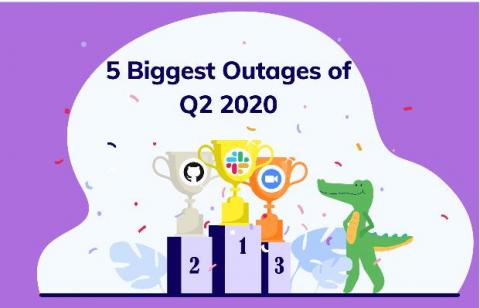
5 Biggest Outages of Q2 2020

Anything bad that can happen — will happen. This old adage applies 100% to the technology industry, where crashes and outages are far more common than the sales and marketing teams would want us to think. However, DevOps engineers that deal with infrastructure know how hard it is to ensure everything works as intended all of the time — and to configure monitoring that actually keeps track of a system’s health and helps prevent crashes and downtime.

Bucket list: Better log storage and management for Cloud Logging

As more organizations move to the cloud, the volume of machine generated data has grown exponentially and is increasingly important for many teams. Software engineers and SREs rely on logs to develop new applications and troubleshoot existing apps to meet reliability targets. Security operators depend on logs to find and address threats and meet compliance needs. And well structured logs provide invaluable insight that can fuel business growth.

Dynamic SSL Certificate Storage in HAProxy

Use the HAProxy Runtime API to update SSL certificates in HAProxy without a reload. When you route traffic through an HAProxy load balancer, you gain the ability to terminate SSL at the load balancer. HAProxy encrypts communication between the client and itself and then sends the decrypted messages to your backend servers, which means less CPU work on the servers because there’s no encryption work left to do.

NodeJS Instrumentation - Adding Custom Tags to Spans | Datadog Tips & Tricks

In part 1 of this 4 part series, you’ll learn how to use manual instrumentation to add additional detail to traces. We’ll add new tags, or attributes, to the spans generated by our NodeJS application, allowing for more insightful data visualizations in App Analytics.

NodeJS Instrumentation - Creating Custom Spans for Method-Level Visibility | Datadog Tips & Tricks

In part 2 of this 4 part series, you’ll learn how to instrument your NodeJS application to capture custom method-level spans, allowing visibility into how specific methods behave in your application. Flame graphs allow for deep insight into the performance of your code. During instrumentation, we can capture custom spans for deeper layers of visibility in the resulting flame graphs. In this video, we use instrumentation to capture a method-level span, allowing us to see the performance of that specific method in our flame graphs in the Datadog UI.