Operations | Monitoring | ITSM | DevOps | Cloud




Release 1.40.0 - Dashboard Summary Tiles, Silencing alerts, ML tweaks and more!

Security maintenance vs support: what's the difference?
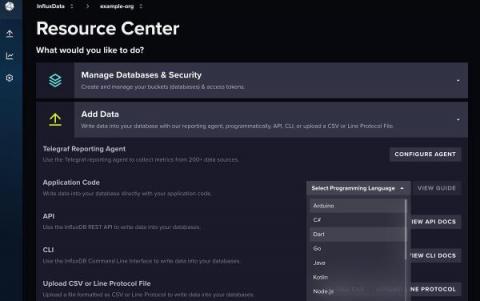
Querying and Writing to InfluxDB Cloud and the Status of Client Libraries
InfluxDB 3.0 is a versatile time series database built on top of the Apache ecosystem. The 3.0 product suite includes two cloud-based versions: InfluxDB Cloud Serverless, and InfluxDB Cloud Dedicated. For the purposes of this post, InfluxDB Cloud refers to these specific versions of InfluxDB. This post provides an update on the status of the client libraries for InfluxDB Cloud, as well as all the available resources to get started querying and writing data to InfluxDB.

There's a Bot for That
What Is A Time-Series Metric?
Today, businesses and organizations rely heavily on metrics and analytics to make informed decisions. Metrics are important whether you’re a developer, a marketer, or the head of a company. One type of metric that is widely used is a time-series metric. Time-series metrics provide insights into how data changes over time. With time-series data, businesses can track trends, detect anomalies, and make predictions.

CFEngine 3.22 released - Coordination
Today, we are pleased to announce the release of CFEngine 3.22.0! The focus of this new version has been coordination. This is a non-LTS (non-supported) release, where we introduce new features for users to test and give feedback on, allowing us to polish before the next LTS.(CFEngine 3.24 LTS is scheduled to release summer 2024).

Introducing: Grafana OnCall mobile app
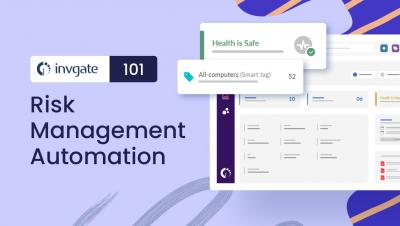
Boosting Risk Management Automation with Asset Health Rules and Smart Tags
The case for engineering automation
When you survey developers on how to improve engineering practices and their daily job experience, their answers invariably include getting rid of little annoying things - what's called toil. Toil is manual and repetitive tasks that waste your time. Toil is arguably worse than crisis, because a crisis is temporary and firefighting can feel rewarding when it's over. Toil is more like a death march - an insidious force that eventually leads to burnout.