Despite several widely acknowledged flaws, Python remains one of the most popular development languages worldwide. The sole fact that for years Python had two different and incompatible versions existing in parallel should have spelled the end for Python given the numerous alternatives available in the market. But Python overcame this conflict. Developers also criticized Python’s design and functionalities. Python is known to be slow and inadequate at dealing with memory-intensive operations.
As the world has shifted towards remote work in the wake of Covid-19, the need for remote management and monitoring tools has increased. Managed service providers (MSPs) use RMMs to provide off-site, automated and streamlined support to their clients for their IT needs. Having an efficient RMM can reduce workload and give MSPs a competitive edge over adversaries. So let’s take a more detailed look at what an RMM software can do and then a look at the best RMM software tools for MSPs in 2022.
As IT operations leaders, it’s intuitive and natural to desire fewer software products to manage an IT estate. That extends to standardizing all the operational processes to deliver significant benefits for the business.
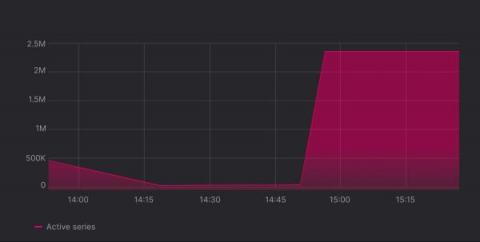
At Grafana Labs, we spend a lot of time talking to our customers, and something we’ve heard from people in a wide range of organizations is that they want to be able to better manage sudden spikes in cardinality. Here we will give you a basic overview of what cardinality is and why it’s an important factor in your observability setup, especially when there is a dramatic uptick.
In this modern era, most companies want to make customers happy using emerging technologies. This is why they utilize multiple types of tools and new technologies to attract customers in their funnel and finally convert them into leads. However, it has some demerits too.