MoovingON
The MoovingON.ai platform helps DevOps, SREs, and Operations teams keep modern, fast-moving cloud environments up and running, while balancing between business goals and operational efficiency.


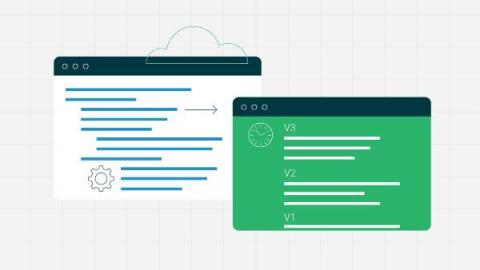
When you have a lot of software developers working on the same project, keeping track of individual changes and previous versions is crucial, especially when it helps prevent conflicts that slow the development and deployment process. For most development teams across the world, Git is the system of choice for organizing files and versions of software.
Remember when you raised a service request and received a delayed solution? The response was so late that you switched to looking for another possible solution. Such delays impact the organization’s overall progress, and we are sure you don’t want to encounter them frequently. This is where Service Level Agreement (SLA) comes to shield organizations from such irregularities.
One of the things we love about working in the cloud is the ease and scalability it brings to application development. It enables us to build out applications, APIs and any infrastructure that is needed from prototyping an idea, through to self scaling deployments. Monitoring and troubleshooting production-level serverless applications is always tricky, Especially working across a number of services and the many logs they can produce.
Configuring applications, services, and environments by modifying plain text files is a standard part of modern software development. Configuration as Code (CaC) takes this one step further by systematically generating, storing, and managing configuration files. CaC allows development teams to automate config management for their applications and environments while ensuring consistency and traceability throughout the development life cycle.