Many of the multi-faceted applications development teams deploy every day are loosely coupled and every service exists to power another service. Most teams developing fullstack applications know that testing the communication between these services essential. Part of the process is testing HTTP request endpoints, and this tutorial focuses on exactly that. I will lead you through learning how to extend the k6 framework to test our HTTP endpoints.
I don’t usually do blog posts on news stories, but this one has the potential to impact a lot of people, so I thought it was worth taking a closer look. The top-level story is that Microsoft announced it will not be releasing Hyper-V Server Free as part of Windows 2022. However, if you’re already using Hyper-V Server Free 2019, you can continue to do so until 2029. Hyper-V Server Free is basically a Windows Server Core on which Microsoft has pre-installed the Hyper-V role.
NinjaOne released our custom field functionality in 2021, adding a new level of flexibility, customization, and automation power to our platform. Custom fields are an advanced feature that requires setup to use, but once you start, the power and flexibility of this feature is almost limitless. In this blog piece, we’ll walk you through a powerful use case for custom fields in NinjaOne. Refer to part one of this series for a quick overview of NinjaOne Custom Fields.
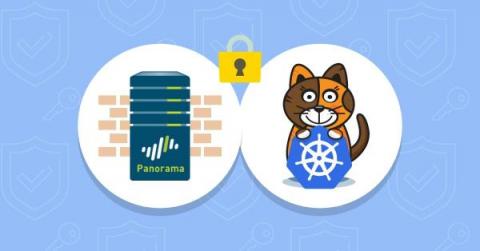
When deploying cloud-native applications to a hybrid and multi-cloud environment that is protected by traditional perimeter-based firewalls, such as Palo Alto Networks (PAN) Panorama, you need to work within the confines of your existing IT security architecture. For applications that communicate with external resources outside the Kubernetes cluster, a traditional firewall is typically going to be part of that communication.
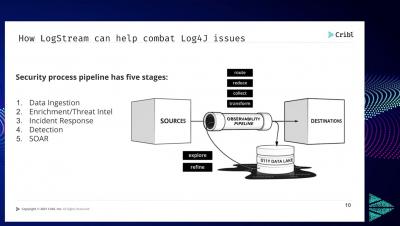
Shortly before the December holidays, a vulnerability in the ubiquitous Log4J library arrived like the Grinch, Scrooge, and Krampus rolled into one monstrous bundle of Christmas misery. Log4J maintainers went to work patching the exploit, and security teams scrambled to protect millions of exposed applications before they got owned. At Cribl, we put together multiple resources to help security teams detect and prevent the Log4J vulnerability using LogStream.
Within DevOps, we talk a lot about the on-call process—but what about the human side of being on-call? For example, what are effective ways of managing stress and anxiety during a shift? How can one manage life situations that make being on-call difficult—such as being responsible for watching the kids during an on-call rotation? And how can an empathic team culture help prevent burnout and turnover?