Performance Monitoring & Google's Web Vitals
Jeremy Bourque demos us through Sentry's Performance Monitoring Capabilities and how we've incorporated Google's Web Vital metrics into our product.


Optimizing SQL queries is always fun—except when it isn’t. If you’re a MySQL veteran and have read the title, you already know where this is heading 😉. In that case, allow me to regale the uninitiated reader. This is the story of an (apparently) smart optimization to a SQL query that backfired spectacularly—and how we finally fixed it. It started off with a customer noticing that a SQL query was running slowly in their environment.
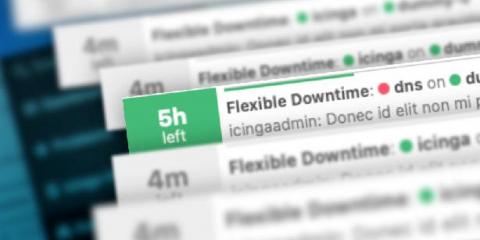
With the development of Icinga DB we not only rebuilt the core of how Icinga stores and reads monitoring data. With a complete rebuild of the monitoring module we took the chance and refined most aspects of the user interface as well. One aspect that got attention is the display of downtimes, using their time based nature and putting the resulting data into context and visualizing it. Here are some of the details. Icinga DB Web Downtime List.
The financial services sector in Australia has undergone seismic change recently with the rise of neo disruptors and a cashless society driven by the pandemic. Australia is quickly becoming one of the more mature markets to embrace digital transformation, with the federal government announcing it has committed $800 million to a digital infrastructure upgrade. As we move closer to 2021, the financial services sector will continue to see accelerated change and a greater reliance on digital technology.
What are logs? In computing, when generally speaking of “log”, we refer to information belonging to a more or less low level reported by the operating system or a specific application that helps identify what is being done, including errors, problems or minor warnings, and when that happens, it indicates the date and time. In some cases, the source, the user, the IP address and other interesting fields from the point of view of what has happened can be identified.
This post is part of a blog series highlighting how we embrace the solutions and features of the Elastic Stack to support our business and drive customer success. The Elastic InfoSec Security Engineering team is responsible for deploying and managing InfoSec's infrastructure and tools. At Elastic, speed, scale, and relevance is our DNA and leveraging the power of the Elastic Stack is the heart of InfoSec.