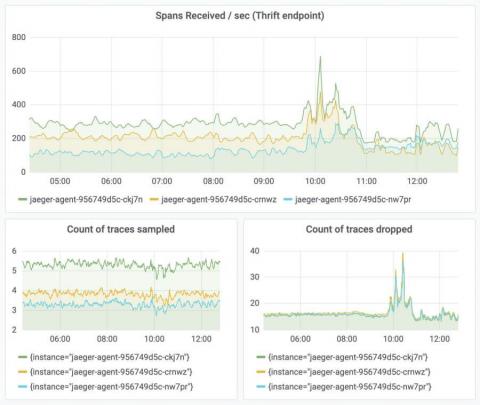
Tracing is a widely adopted solution to provide performance insights into distributed applications. It is a valuable resource for developers to view the service call graph and track service latency at a granular level. It’s also a handy tool for on-call engineers to drill down and debug a problematic service during an outage. There are a number of open source distributed tracing frameworks out in the wild, including Jaeger, Zipkin, and OpenTelemetry.
It has arrived! Azure Red Hat OpenShift 4 is here and generally available; now, how do you add even more granular security and faster time to repair (MTTR) for your teams? Sysdig, that’s how!
It’s the end of a long week filled with countless taxing IT change requests. You put your mobile phone on vibrate, still apprehensive from the ALL CAPS text message abruptly received from the IT director last week. Your eyes are burning from the blue hue of your laptop. You begin to shut it down for the evening, lower the TV volume, and sluggishly doze into a deep sleep.
Back in 2005, the Royal Bank of Scotland (RBS) Group was running about 600 Unix servers and they had a bunch of manual processes that slowed down their software delivery cycles and could cause huge delays. As David Sandilands, an infrastructure engineer at RBS, put it in a webinar he did with us, their releases weren’t quick enough.