Operations | Monitoring | ITSM | DevOps | Cloud

Data Pipelines: How Data Pipelines Work & How To Get Started

Every millisecond, humans generate significant volumes of data, from various IoT devices such as our wearable devices to daily activities such as internet surfing and tracking our workouts. Data continues to accumulate. Statista estimates that by 2025, the amount of data will have increased to 180 zettabytes. That's far too much information.

Monitoring Strategies: An Introductory Guide With 5 Examples

Monitoring is an integral part of most organizations. The monitoring process usually consists of several tools that, combined, show you information about whatever you're monitoring - applications, infrastructure, networks and so forth. While monitoring may seem like an obvious practice to some, it can be challenging to establish the best monitoring strategy for your organization.

Key Lessons for Building Secure and Resilient Ecosystems From the Forbes CIO Summit

Back in May, I had the pleasure of joining Michael Daniel, president, and chief executive officer of Cyber Threat Alliance, at the Forbes CIO Summit to discuss creating resilient digital ecosystems without sacrificing agility. In the past two years, we’ve evolved our product development models with a focus on a zero-trust mindset and culture.

Incident response: Unlocking knowledge and breaking down silos

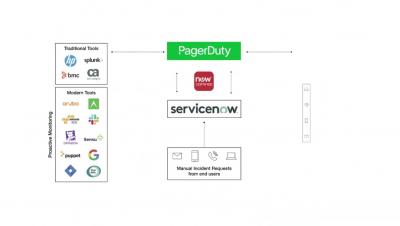
In a world of monolithic applications and microservices, responding to incidents can be a painful process, involving multiple people with siloed knowledge jumping between different tools to find the relevant data and take action. Individuals within a business often hold the knowledge of how a particular component works, or how it depends on other services. The key to successfully responding to incidents is unlocking this knowledge and breaking down the silos between teams.