Operations | Monitoring | ITSM | DevOps | Cloud

Cluster Autoscaling | The Second Myth of Apache Spark Optimization

Cluster Autoscaling is helpful for improving cloud resource optimization, but it doesn’t eliminate application waste. Watch the video to learn how Cluster Autoscaling can't fix the entire issue of application inefficiencies, but how Pepperdata Capacity Optimizer can enhance it and ensure it utilizes resources accordingly.

Faster. Smarter. Greener. Oris and Liip enhance their development workflow with a PaaS

Celebrating over 120 years of mechanical excellence and beauty, Oris has been a pillar of sustainable, independent Swiss watchmaking since 1904. By forging its own path and sticking true to its values, Oris has built a renowned brand and a stunning product range which they have continued to innovate and expand over the last century. Expansion which today includes a sharp, intuitive web and ecommerce platform.

Automate Your Network Deployments With The New Megaport Terraform Provider

For cloud architects and network engineers, Terraform needs no introduction. Long acclaimed as a leader in the Infrastructure as Code (IaC) space, this tool is often used over vendors’ own automation tools, which tend to be an afterthought for most cloud services. For those with IaC skills, the rewards of using Terraform are plentiful. Users can provision and manage their cloud infrastructure with full customisation and rapid automation.

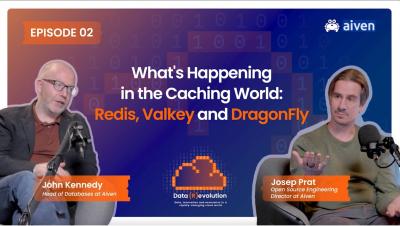
What's Happening in the Caching World: Redis, Valkey and DragonFly

In the world of software development, caching is a crucial yet complex component. What happens when one of the most popular caching systems, Redis, changes its license, sending shockwaves through the community? And how does a company pivot to not one but two solutions to ensure high-performance data management? Today's discussion dives deep into one of the most critical and often-overlooked components of the software industry—caching.

Understanding Event Correlation: A Key Component in Modern Observability Tools

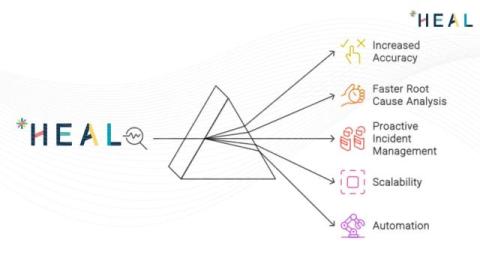
Event correlation is a critical aspect of modern IT management, involving the analysis and correlation of events to filter out noise and isolate significant events requiring attention. This process helps quickly identify the root cause of issues, reducing the time it takes to resolve incidents and ensuring smoother operations. Key reasons for event correlation include reducing noise data and identifying root causes efficiently.

Kubernetes network policies: 4 pain points and how to address them

Kubernetes is used everywhere, from test environments to the most critical production foundations that we use daily, making it undoubtedly a de facto in cloud computing. While this is great news for everyone who works with, administers, and expands Kubernetes, the downside is that it makes Kubernetes a favorable target for malicious actors. Malicious actors typically exploit flaws in the system to gain access to a portion of the environment.