Operations | Monitoring | ITSM | DevOps | Cloud

Deciphering Distributed Systems: A Complete Guide to Monitoring Strategies

Distributed systems allow projects to be implemented more efficiently and at a lower cost, but require complex processing due to the fact that several nodes are used to process one or more tasks with greater performance in different network sites. To understand this complexity, let’s first look at its fundamentals.

How to Select the Right Software by Engaging Stakeholders

Stakeholder analysis in software selection involves a systematic approach to identifying, analyzing, and managing the needs and expectations of stakeholders. Engaging diverse stakeholders, including end-users, IT staff, and executive sponsors, is crucial during the software selection process. This ensures a comprehensive understanding of requirements and impact.

After a Ransomware Infection - Enhancing Security for Your Infrastructure Against Further Intrusion

In a previous blog, we outlined the essential steps that organizations should take within the first two days after the detection of a ransomware attack. In this follow-up post, we’ll discuss what an organization should do after the initial response to reduce the risks of future attacks. We’ll also highlight how Progress Flowmon can support ongoing network monitoring, early detection of attacks and reduction of further damage. Webinar: The First 48 Hours of Ransomware Incident Response.

Greater Control Over Windows Events for Qradar: Why Windows Events Matter

Windows events provide a wealth of security-relevant information, especially when they are correlated and analyzed within a SIEM like IBM Qradar. Whether you rely on MITRE ATT&CK, NIST, or another security framework, Windows Events are likely one of your higher volumes (EPS – Events Per Second) and represent your largest-sized events (Gigs per day – Storage and Archive).

IT, End Users, and AI Navigating the New Love Hate Triangle of Support

AI is unquestionably the trendy new heartthrob in town, but as more business leaders get swept up in googly-AI-ed fantasies, is it putting real-life employee relationships at risk? Join us for a Valentine's Day webinar where we'll tackle the hottest questions in IT.

The Role of Observability in Telecoms

The rapid growth of 5G technology and expanse of the Telecoms industry has created the need for these organizations to implement effective data-driven decisions, to enable the future profitability of their companies. This raises the challenge of analyzing data from various sources across complex networks to derive insights and ultimately decision making.

How to Automate IBM Warranty Lookup For Laptops

Hardware warranty checks are very simple since vendors typically offer a way to recognize the device and verify it on their website automatically – that is, if you only have one warranty to review. If, let’s say, you need to run an IBM warranty lookup for a bunch of laptops, the process becomes complex and time-consuming. You’d have to turn on each computer, browse the vendor’s website, and then copy that information to add it manually to your IT inventory.

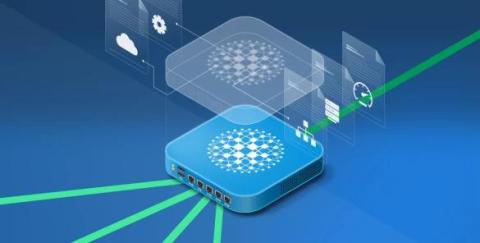
Software Load Balancers vs Appliances: Better Performance & Consistency With HAProxy

Software load balancers and load balancing appliances have become indispensable components within a healthy application infrastructure. Scalability, security, observability, and reliability are more critical than ever as companies push harder towards 99.999% availability. Accordingly, traffic management is key to protecting servers and ensuring uptime. Vendors have offered load balancers in different form factors to serve evolving infrastructure needs.

Navigate memory management challenges in MongoDB with Site24x7

Effective memory management is crucial for optimal MongoDB performance and helps ensure seamless database operations and user experience. Allocating enough memory lets the database store frequently used data and indexes in RAM and cut down on disk I/O operations. This boosts query response times and system responsiveness. Poor memory management can cause delays in retrieving data from disk, leading to performance degradation.

Application Migration: 5 Things that Can Go Wrong

Application migration is the process of moving an application from one environment to another. For example, you may choose to migrate an application from an on-premises enterprise server to a cloud provider’s environment, or from one cloud environment to another. The aim is typically to improve the flexibility, scalability, and cost-effectiveness of the application. Application migration is a complex process that requires careful planning and execution.