Operations | Monitoring | ITSM | DevOps | Cloud

End of year review: Ubuntu Desktop in 2023

As 2023 draws to a close, it’s time to look back on the evolution of Ubuntu Desktop over the last twelve months. The philosopher Gary Barlow once wrote “we’ve come so far, and we’ve reached so high, and we’ve looked each day and night in the eye”. These words certainly resonate in the context of our most recent Ubuntu releases.
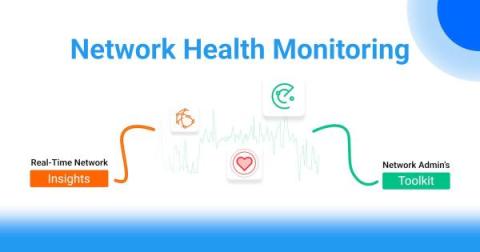

How to Set Up Effective Network Monitoring Alerts

Your network is like the beating heart of your digital world. And who's there making sure it's in tip-top shape? That's right – the network admins, the unsung heroes of the networking world. In our deep dive today, we're talking all about navigating Network Health Monitoring to ensure the peak performance of your network! Think of it like checking the pulse of your network.

How to Detect Unauthorized Changes in Production with Kosli

Let’s not beat around the bush: change management is a prehistoric discipline desperately in need of fresh thinking. Its “best practices” are frankly terrible. Nobody honestly thinks manually filling out change tickets, waiting for CAB meetings and external approvals does anything to meaningly reduce risk. Change management is slow, inconsistent, doesn’t scale, and is prone to error.

The Benefits of using containerization in DevOps workflows

Software development cycles demand rapid deployment and scalability, traditional infrastructure struggles to keep pace. Enter containerization—a revolutionary technology empowering DevOps teams to streamline their workflows, enhance portability, and drive efficiency in software development and deployment.

Yay CPU Limits or Nay CPU Limits 001 by Natan Yellin - Navigate Europe 23

Natan Yellin demystifies Kubernetes resource management, with a particular focus on CPU limits. Through practical examples, including a unique 'Tinder for Socks' analogy, Natan challenges the conventional use of CPU limits and offers alternative strategies for optimizing performance and cost in Kubernetes environments.

The Advent of Monitoring, Day 3: Easy Monitoring for Self-Hosted Projects with Checkly

This is the third part of our 12-day Advent of Monitoring series. In this series, Checkly's engineers will share practical monitoring tips from their own experience. When it comes to running self-hosted services or side projects, monitoring is key. But, who has the time to set up a complex monitoring system? We want to deliver cool software and not be busy with configuring Prometheus servers or Grafana Dashboards.

Ephemeral Environments for Every PR - Are We There Yet? by Yshay Yaacobi - Navigate Europe 23

Join Yshay Yaacobi as he delves into the transformative world of ephemeral environments in software development. Discover how his team revolutionized their PR flow, adopting Fermyon environments for automated, efficient deployment processes. This session covers the journey from manual deployments to a seamless, continuous deployment strategy, offering insights into the practical benefits and applications of ephemeral environments in modern software development.

The Advent of Monitoring, Day 2: Debugging Dashboard Outages with Checkly's API Checks

Table of contents This is the second part of our 12-day Advent of Monitoring series. In this series, Checkly's engineers will share practical monitoring tips from their own experience. We encountered a tricky issue with our public dashboards: they were experiencing sporadic outages, happening about once every two days. The infrequency and unpredictability of these outages made them particularly challenging to diagnose.

Using OpenTelemetry Collector Loki Receiver to Send Logs to SigNoz [Code Tutorial]

In this tutorial, you will learn how to collect logs using the Loki receiver in OpenTelemetry Collector to send logs to SigNoz. If you’re using Promtail to collect logs, you can send them to SigNoz instead of Loki via the OpenTelemetry Collector. In this tutorial, we cover: If you want to jump straight into implementation, start with this prerequisites section.