When you run the uptime command, most of you might be familiar with the three numbers appearing on the top right corner of your Linux screen. But, do you know what those numbers indicate or why there are three such numbers? It is called the load average, a metric that assesses the load on your computer systems. While it can be considered a precise tool for measuring system and resource engagement, it would only be worthwhile if you understand it right.
In data management, numerous roles rely on and regularly use observability data. The Site Reliability Engineer is one of these roles. Site Reliability Engineers (SREs) work on the digital frontlines, ensuring performant experiences by using observability data to maintain stability and awareness of software running in various environments across organizations.
A hybrid infrastructure brings business benefits but it also brings new challenges. Migrating workloads to the cloud is a complex operation that generates more data than engineering teams can adequately manage. Traditional monitoring tools are limited in helping teams find and fix problems during and after a cloud migration. This can throw business strategies off course, limit customer value and hurt the bottom line.
How many of us can say with confidence that we know a tool inside and out? If you’re like most, you probably use just a small fraction of a product’s features. When it comes to feature-rich software like Microsoft Word or Excel, it’s a safe bet that most users are aware of less than half of the features, and use even less on a regular basis. And the longer we’ve been using a piece of software, the more likely we fall into this trap of feature underutilization.
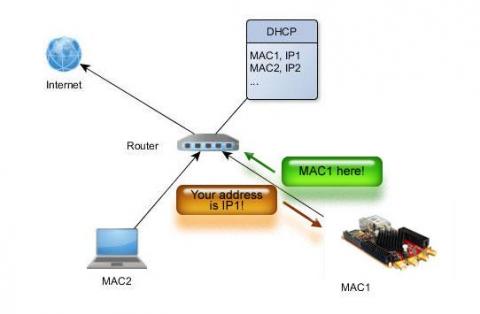
Find out how to effectively and easily monitor and troubleshoot Dnsmasq for DHCP using Netdata.
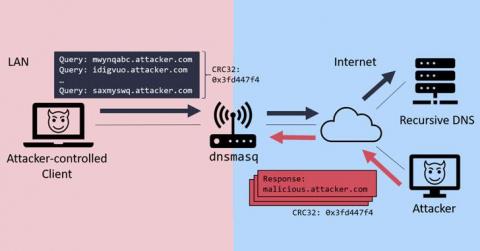
Find out how to effectively and easily monitor and troubleshoot Dnsmasq DNS Forwarder using Netdata.