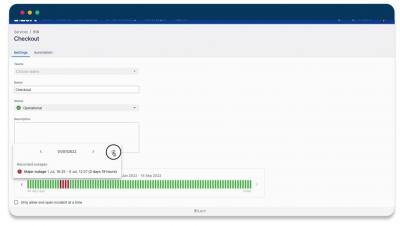
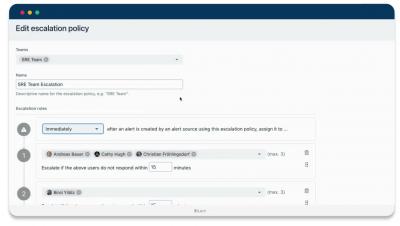
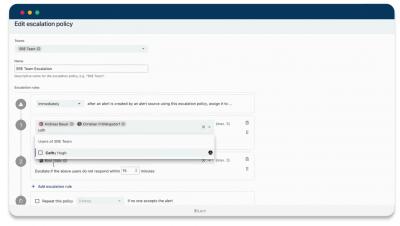
Our second May update brings fragment search for category keywords (wildcards), content enrichments for Signls via categories, and an improved zoom level toggle in the duty scheduler. All the details are in this blog article.
With the Cloud Bridge introduction, I started reaching out to our customer base to make sure people are aware of what this feature can do, Usually, I try to keep our customers up to date through blogs or the occasional webinar but with the Cloud Bridge, I went for a more personal approach. Reaching out to our customers individually, presented a unique opportunity to educate them on our Cloud Bridge and by extension what SIGNL4 can bring to the table.
With Cloud SQL for SQL Server, you can bring your existing SQL Server on-premises workloads to Google Cloud. Cloud SQL takes care of infrastructure, maintenance, and patching so you can focus on your application and users. A great way to take better care of your application is by monitoring the SQL Server error log for issues that may be affecting your users such as deadlocks, job failures, and changes in database health.
With so much reliance on online services and applications these days, a status page is essential to a business, its support and IT teams. It’s a key component in your incident communication strategy. Communicating the status of your website or service to users (particularly customers) creates trust and keeps them updated—especially during downtimes. Plus, it saves you from sending out emails or using other time-consuming methods to provide status updates.
SIGNL4 offers powerful duty scheduling and time-based overrides for routing alerts to the right people at the right time. With time-based overrides for example, you can apply different alerting workflows during business hours, weekends, holidays, etc. Holidays in general can bring other requirements for signaling and must also be considered separately when planning shifts. You can add and edit holidays manually in SIGNL4 or you can import them from iCal files.