Operations | Monitoring | ITSM | DevOps | Cloud


Use Case: Using Maintenance Windows to Set Up Alert Schedules
For many of our users reacting to downtime data sent from a monitoring system such as StatusCake.com is a 24 hour job, and the process incorporates many staff who will have varying responsibilities, and sometimes work quite different hours. This is particularly true of companies who run “follow-the-sun” with their global dev-ops teams picking up the baton from the last as their time zone starts its working day.

Why you need an off-site StatusKeeper Status Page

Set Up for Success: Service Taxonomies in PagerDuty
It’s 2:37 a.m. on a Tuesday night, you’re asleep—but it’s also your turn to be on call. You receive a phone call from PagerDuty. Your partner hits you with a pillow in an attempt to wake you up. It worked. You groggily answer the call and hear your favorite robo-guy on the other end of the line.

Feature Update: New Reporting Capabilities
Today we’ve introduced an overhaul of our reporting tool which will make it much easier to get the exact data you want sent out to the people who need to see it. Previously it was only possible to send an automatic report for all uptime tests in your StatusCake account.

Custom SSL Domains arrive to Statuspal!
Say hello to custom domains with support for SSL! One of the most requested features is finally here, in release v1.13, you are now able to easily configure a custom domain for your status page. Start by creating a CNAME record in your DNS manager that points from your domain to dns.statuspal.io,
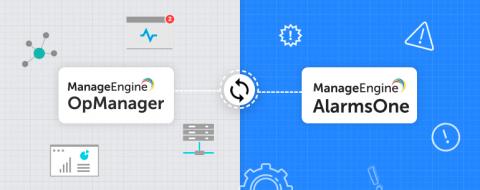
Integrate OpManager with AlarmsOne and manage your alerts like a pro
OpManager helps enterprises monitor their network, devices, servers, firewall, and more. While all this helps keep your systems up and running at all times, effectively managing alerts is another challenge altogether. If you’re using a number of IT management tools, it can be hard to address issues like alert noise, inflexible on-call scheduling, and escalations.