Operations | Monitoring | ITSM | DevOps | Cloud

Creating Databases, Schemas, and Tables on pgAdmin

In this tutorial, we'll walk you through the process of creating databases, schemas, and tables on pgAdmin, a powerful GUI tool for managing PostgreSQL databases. Whether you're new to pgAdmin or seeking to enhance your database administration skills, this video provides a comprehensive guide to efficiently create and organize your database structures. We'll also highlight the seamless integration of pgAdmin with Aiven's PostgreSQL service, enabling you to leverage Aiven's reliable and scalable infrastructure while utilizing pgAdmin's intuitive interface.
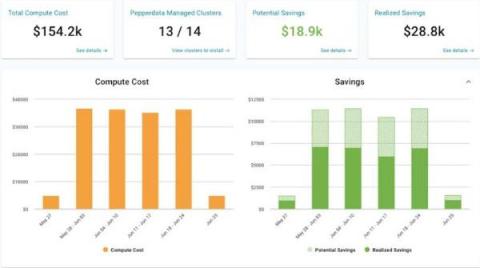

Choose Your Weapon Against Costly Cloud Bills

In the epic struggle against spiraling cloud costs, the only durable solution is automated optimization. The manual engineering efforts that most people call “cloud cost optimization” these days can be time-consuming and tedious, if not impossible at the scale at which modern data stacks operate. Moreover, they redirect valuable human resources away from technical innovation.

A Detailed Guide to Docker Secrets

This post was written by Talha Khalid, a full-stack developer and data scientist who loves to make the cold and hard topics exciting and easy to understand. No one has any doubt that microservices architecture has already proven to be efficient. However, implementing security, particularly in an immutable infrastructure context, has been quite the challenge.

Turning data into mission value in government and education

Government and education leaders estimate that data volume at their organizations will increase by 59% over the next three years. Although having more information than you need is (arguably) better than not having it when you need it, the sheer volume of data can make it challenging for teams to pinpoint exactly what data will bring value to their mission goals.

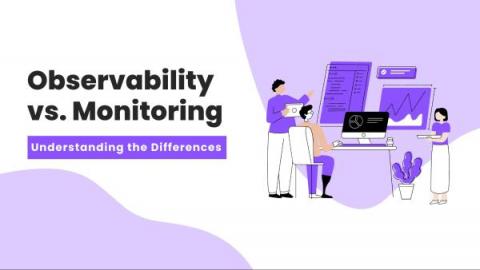
Observability vs. Monitoring: Understanding the Differences

This post was written by Siddhant Varma. Scroll down to read the author’s bio. Software development isn’t just about building and deploying software. There’s a wide range of operations and activities you need to tackle even after you’ve successfully deployed it. The two most common are observability and monitoring. While they’re similar in a lot of ways, it’s important to understand that they are not exactly the same, and each has its own purpose.

Creating Databases, Schemas, and Tables on pgAdmin

In this tutorial, we'll walk you through the process of creating databases, schemas, and tables on pgAdmin, a powerful GUI tool for managing PostgreSQL databases. Whether you're new to pgAdmin or seeking to enhance your database administration skills, this video provides a comprehensive guide to efficiently create and organize your database structures. We'll also highlight the seamless integration of pgAdmin with Aiven's PostgreSQL service, enabling you to leverage Aiven's reliable and scalable infrastructure while utilizing pgAdmin's intuitive interface.
Intel Leverages Telegraf to Deliver Platform Visibility

Since 2020, the Intel team has been contributing to Telegraf, including both telemetry from Intel-specific platform features (such as Intel® Resource Director Technology, Intel® Dynamic Load Balancer, or power statistics from Intel-based platforms) and telemetry gathered from generic tools and frameworks; for example, Data Plane Development Kit (DPDK), Libvirt, P4 Runtime, or Reliability Availability Serviceability (RAS).

The Importance Of Market Intelligence For Small Businesses

Market intelligence is the process of gathering, analyzing, and interpreting information about your market, which includes customers, competitors, and suppliers, and other industry participants such as regulators and industry associations. This information can be used to make informed business decisions, identify new opportunities, and stay ahead of the competition. In today's competitive business environment, it is more important than ever for small businesses to stay ahead of the curve. Market intelligence is essential to achieve this objective.

Data Observability: An Introductory Guide

As more companies rely on data insights to drive critical business decisions, data must be accurate, reliable, and of high quality. Gaining insights from data is essential, but so is the data’s integrity so that you can be sure that data isn’t missing, incorrectly added, or misused. This is where data observability comes in.