Operations | Monitoring | ITSM | DevOps | Cloud

The latest News and Information on Cloud monitoring, security and related technologies.

30+ Essential Cloud Metrics For SaaS And FinOps Teams

Author Jeff Duntemann said a good tool improves how you work, whereas a great tool transforms your thinking. Companies that want to improve their cloud-based operations can rely on cloud metrics as an effective tool for transforming their cloud operations. You can’t fix what you don’t measure. Cloud metrics are the logs of data that a cloud infrastructure or application generates.

Stop paying for Microsoft 365 licenses

When someone leaves your company, the natural step is to disable their Microsoft 365 account. But what many businesses don’t realize is that they often continue paying for that user’s license — just to retain access to their OneDrive files, Teams chats, and emails. Over time, this adds up to thousands in unnecessary costs. In this article, we’ll explain.

Departed M365 Users

When someone leaves your organization, the first step IT usually takes is to disable their Microsoft 365 account. But have you ever stopped to ask: The answer might surprise you. If you’re not actively managing this, Microsoft will automatically delete that data — often in as little as 30 days. This post explains exactly what gets deleted (and when), why this is a problem, and what you can do to protect that data — without paying for unnecessary licenses.

Enhanced monitoring of Amazon EKS with Elastic add-on capabilities

Easily enable Elastic add-on within the Amazon EKS Console for streamlined monitoring and quick data onboarding. Amazon Elastic Kubernetes Service (EKS) makes running Kubernetes on AWS simple and scalable. But as your workloads grow, so does the need for robust monitoring and observability. Enter Elastic Agent, a powerful, unified way to collect logs, metrics, and security data from your EKS clusters, all managed through Elastic Fleet.

What Impacts GKE Pricing? A Guide To Kubernetes Spending

Google Cloud released Google Kubernetes Engine (GKE) as a commercial version of native Kubernetes (K8s). GKE promises a user-friendly, reliable, and cost-effective service. Yet calculating GKE costs can be daunting, including understanding what you’re paying for and maximizing your return on investment. In this GKE pricing guide, we’ll discuss how GKE pricing works, what it costs, and more.

Pepperdata Helps Karpenter Work Better

Running Kubernetes on AWS? You're probably using Karpenter, the open-source autoscaler that dynamically provisions new instances as your EKS workloads grow. Karpenter launches rightsized instances in real time in response to pending pods, based on available instance types and the resources applications need. It also terminates underutilized nodes to reduce costs.

Top 5 outages detected by StatusGator in June 2025

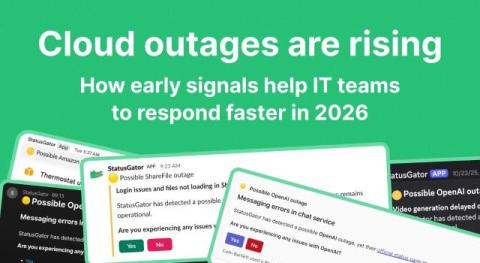
June 2025 saw several high-impact outages across popular cloud services — from infrastructure giants like Google Cloud to developer platforms like Supabase and Heroku. For IT teams, MSPs, and developers, even short service disruptions can have ripple effects across workflows and customer experience. At StatusGator, we continuously monitor thousands of services to detect issues in real time — often before they’re publicly acknowledged.

What Is Azure SQL?

Modern cloud solutions mean much more than just data storage. Cloud technologies cover virtual services, including analytics, databases, networking, servers, and storage via the internet. Such a giant as Microsoft is among the most prominent cloud providers with its Azure platform. “Platform as a Service,” or PaaS, is a popular solution for database specialists. It is a powerful database engine that allows you to perform most database management routines.

A Guide To Azure Database Pricing (And Reducing Costs)

You spun up Azure SQL for your app backend, added Cosmos DB for global performance, and let your devs explore PostgreSQL freely. Everything worked — until the invoice hit. Your engineers need high availability and performance. Your CFO wants predictability. And you’re stuck trying to untangle what, exactly, is driving your Azure bill. You’re not alone. Between service types, pricing tiers, and throughput models, Azure database pricing can surprise even experienced teams.