NodePort and Headless Service for Kubernetes - Civo Academy
Learn and understand the concept of NodePort and headless service in the realm of Kubernetes.


The latest News and Information on Containers, Kubernetes, Docker and related technologies.
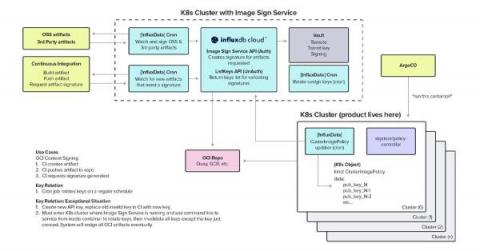
One of InfluxData’s main products is InfluxDB Cloud. It’s a cloud-native, SaaS platform for accessing InfluxDB in a serverless, scalable fashion. InfluxDB Cloud is available in all major public clouds. InfluxDB Cloud was built from the ground up to support auto-scaling and handling different types of workloads. Under the hood, InfluxDB Cloud is a Kubernetes-based application consisting of a fleet of micro-services that runs in a multi-cloud, multi-region setup.
Companies are increasingly adopting managed Kubernetes services, such as Microsoft Azure Kubernetes Service (AKS), to build container-based applications. Leveraging a managed Kubernetes service is a quick and easy way to deploy an enterprise-grade Kubernetes cluster, offload mundane operations such as provisioning new nodes, upgrading the OS/Kubernetes, and scaling resources according to business needs.
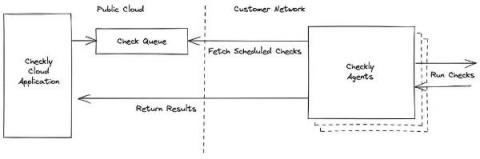
Checkly private locations enable you to run browser and API checks from within your own infrastructure. This requires one or more Checkly agents installed in your environment where they can reach your applications and our Checkly management API. You need to ensure you have enough agents installed in order to run the number of checks configured in the location. We have a guide to planning for redundancy and scaling in our documentation.
Logs are a critical aspect of any production workload, as they give you insight into what is happening in your system and tell you which components may be having issues. The traditional method of looking at logs involves basic Linux commands like tail, less, or sometimes cat.