Operations | Monitoring | ITSM | DevOps | Cloud

The latest News and Information on Containers, Kubernetes, Docker and related technologies.

Using CI/CD to deploy web applications on Kubernetes with ArgoCD

GitOps modernizes software management and operations by allowing developers to declaratively manage infrastructure and code using a single source of truth, usually a Git repository. Many development teams and organizations have adopted GitOps procedures to improve the creation and delivery of software applications. For a GitOps initiative to work, an orchestration system like Kubernetes is crucial.

Zen and the Art of Kubernetes Monitoring

The real beauty of this modern, cloud-fueled, DevOps-driven world that we are living in is that it’s so highly composable. In so many ways, we’ve been freed from the limitations and structures of the previous annals of software and technology history to build things the way that we want to, and however we choose to do so.

When Cloud Native Stacks Misbehave - Pitfalls and Lessons Learned | Itiel Shwartz (Komodor)

In this session, Itiel Shwartz will demonstrate common failure scenarios - both app and infra related. We will laugh a little and cry a little, and then cover monitoring, observability & troubleshooting best practices methodologies such as metrics, distributed tracing, logging, network visualization and more. But cheer up! We’ll wrap up by introducing some helpful tools, in order to find and fix issues as fast as possible.

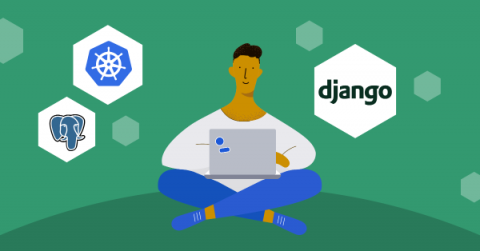
How to Orchestrate your Django application with Kubernetes

Do you have an application built with Django and PostgreSQL that you’d like to run on Kubernetes? If so, you’re in luck! In this tutorial, you’ll learn how to orchestrate your Django application with Kubernetes. Since we’re working with multiple microservices, it can be difficult to ensure all parts work together. This tutorial will demystify all that.

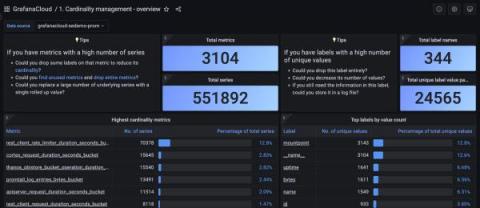
How to manage high cardinality metrics in Prometheus and Kubernetes

Over the last few months, a common and recurring theme in our conversations with users has been about managing observability costs, which is increasing at a rate faster than the footprint of the applications and infrastructure being monitored. As enterprises lean into cloud native architectures and the popularity of Prometheus continues to grow, it is not surprising that metrics cardinality (a cartesian combination of metrics and labels) also grows.

Iterating on an OpenTelemetry Collector Deployment in Kubernetes

When you want to direct your observability data in a uniform fashion, you want to run an OpenTelemetry collector. If you have a Kubernetes cluster handy, that’s a useful place to run it. Helm is a quick way to get it running in Kubernetes; it encapsulates all the YAML object definitions that you need. OpenTelemetry publishes a Helm chart for the collector. When you install the OpenTelemetry collector with Helm, you’ll give it some configuration.

This is Komodor

Komodor is a troubleshooting platform for Kubernetes, complete with automated playbooks for every K8s resource, and static-prevention monitors that enrich live & historical data with contextual insights to help enforce best practices and stop incidents in their tracks. By baking K8s expertise directly into the product, Komodor is accelerating response times, reducing MTTR and empowering dev teams to resolve issues efficiently and independently.

Gain Competitive Advantage Through Cloud Native Technology

Organizations around the globe recognize the importance of digital transformation to respond to the demands of the modern world. Organizations can advance their business by adapting technology, processes and tools. By doing so, they can increase flexibility, efficiency, security and improve customer experiences to boost success and gain competitive advantage. However, digital transformation is not always easy.

Cost Advisor: Optimize and Rightsize your Kubernetes Costs

Kubernetes has broken down barriers as the cornerstone of cloud-native application infrastructure in recent years. In addition, cloud vendors offer flexibility, speedy operations, high availability, SLAs (service-level agreement) that guarantee your service availability, and a large catalog of embedded services. But as organizations mature in their Kubernetes journey, monitoring and optimizing costs is the next stage in their cloud-native transformation.