Operations | Monitoring | ITSM | DevOps | Cloud

The latest News and Information on DevOps, CI/CD, Automation and related technologies.

Pandora's Flask: Monitoring a Python web app with Prometheus

We eat lots of our own dog food at MetricFire, monitoring our services with a dedicated cluster running the same software. This has worked out really well for us over the years: as our own customer, we quickly spot issues in our various ingestion, storage, and rendering services. It also drives the service status transparency our customers love. Our customers include large multinational coffee brewers, game companies, and other data science/SaaS companies.
Getting started with severity levels

An incident can take many forms. It can look like a small issue that locks a few customers out of their accounts or a huge catastrophe that brings down your entire product for a full day. How you respond to the incident should vary based on the impact of the incident. And that’s where severity comes into play. Defined severity levels are crucial to any good incident management program.

9 tips to master the art of software installation

IT admins face pressure from all sides. Besides tracking and securing data across devices, they must also manage a changing inventory of physical and digital assets while adhering to an executive directive to make technology an enabler for growth. Software deployment can be a particularly daunting task. Deploying software through an automated solution is just a click of a button, but what are the don’ts to keep in mind?

Public cloud for telco - Part 3: Microsoft Azure

This is the third blog from a series focusing on how public clouds meet telecommunication operators’ business demands. In the previous two blogs, we talked about how Amazon Web Services (AWS) and Google Cloud Platform have enabled telcos to run critical workloads on public clouds. In this last part of our series, you’ll hear about Microsoft Azure cloud and why it’s a trusted platform for the telecommunication industry to host their workloads.

OpsRamp Patch 2.0 - Solving Your OS Patching Challenges

OpsRamp’s Operating System Patch Management module is a flexible, yet powerful capability provided to all OpsRamp platform customers or licensed separately. With our SaaS-based OS Patching solution for Windows and Linux endpoints, you can automate the entire patch management process from identification of missing OS patches to the process of patch installation.

Containers vs. Virtual Machines: Rivals or Friends?

Containers have been the buzz among developers in recent years with the adoption of cloud-native orchestration tools like Kubernetes and DevOps workflows centered around containers. At the same time, virtual machines (VMs) still power many enterprise workloads, whether they’re running in a public cloud provider like Azure or an on-premises data center running VMware. In one of my early jobs, we built a private cloud—in 2012. This was a ground-breaking project at the time.

How reporting enables informed decision-making

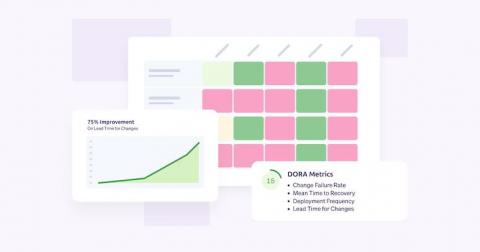
For software development teams to make meaningful progress, they must invest in efficient monitoring, reporting practices, and tooling. This is because only by keeping track of select metrics, such as those pertaining to application performance, will you know whether you are on the right track. Without knowledge of whether the software is functioning and performing as it is supposed to, there is no way of knowing what, if any, changes need to be made.

Interlink Software Achieves Cyber Essentials Certification

Cyber Essentials is a UK government backed scheme, developed by the National Cyber Security Centre. Since its inception the scheme has become the benchmark for IT security, helping organizations to deploy technical controls to guard against the common types of cyber-attacks and improve data security.