Operations | Monitoring | ITSM | DevOps | Cloud

The latest News and Information on DevOps, CI/CD, Automation and related technologies.

AI Writes Code Fast. Can You Trust What Gets Deployed?

AI has solved writing code fast. The new bottleneck is trusting what actually reaches production. Here's what that requires. Based on the DevOps.com webinar "AI Writes Code Fast. Can You Trust What Gets Deployed?" presented by Harness, August 12, 2026. AI has removed the bottleneck in writing software. Code that used to take days now takes minutes. But speed of creation and trustworthiness of what reaches production are two very different things.

Announcing Redgate Flyway Enterprise's advanced capabilities for Snowflake now in Preview

Snowflake has become a core part of how many teams store, model, and analyze their data. As more of the business comes to depend on Snowflake, the schema needs the same governance and control as any other production system. Too often, schema change in Snowflake happens through ad hoc scripts, tribal knowledge, or direct access in Snowsight.

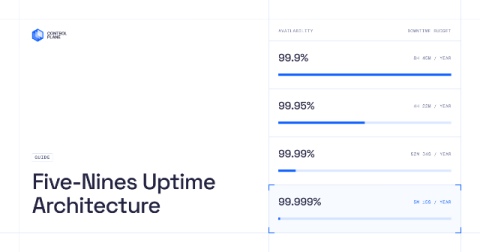
Five-Nines Uptime Architecture: What Single-Region, Multi-Region, and Multi-Cloud Designs Can Deliver

99.999% availability allows about 5 minutes 15 seconds of downtime per year, or about 26 seconds per month. That budget includes every failed deploy, certificate expiry, DNS misconfiguration, and provider incident in the request path. One regional outage lasting an hour consumes more than 11 years of five-nines budget. This guide explains which architecture tiers can reach that number, which cannot, and why.

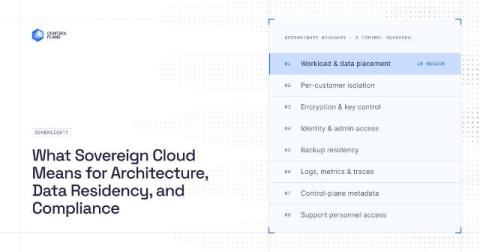
What Sovereign Cloud Means for Architecture, Data Residency, and Compliance

Sovereign cloud is a system design problem. It asks where workloads run, where data lives, who can administer the system, which legal authorities can compel access, who controls encryption keys, and where backups, telemetry, and control-plane metadata land. Selecting a region answers only part of that problem.

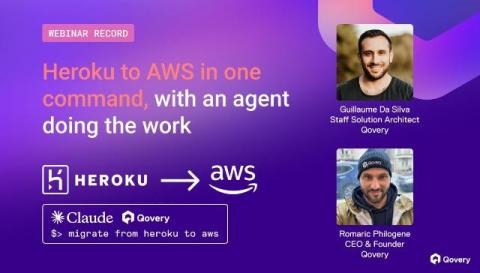
Heroku to AWS in One Command, With an Agent Doing the Work (Webinar Replay)

Replay and recap of our live session: an AI agent reads a Heroku Rails app and deploys the full stack to AWS through Qovery from one prompt. Chapters, timestamps, the four ways teams leave Heroku, and the steps a human should still own. Romaric founded Qovery to make Kubernetes accessible to every engineering team. He writes about platform strategy, developer experience, and the future of cloud infrastructure.

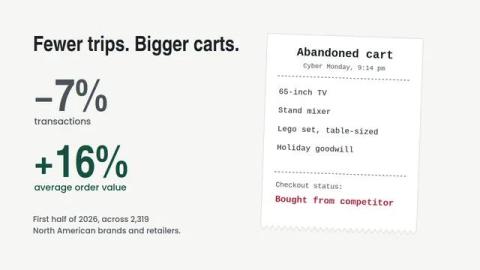
$4.48 a Gallon: Your Holiday Checkout Is the New Mall

Remember when “going shopping” meant getting in the car? This fall, filling the tank feels like applying for a small loan. U.S. regular gasoline averaged about $4.48 a gallon for the week of September 21, 2026. A round trip to the store starts competing with free shipping. And free shipping never needs a parking spot. That doesn’t tell us how many shoppers will move online this holiday season.

Test PostgreSQL With the Queries Your App Actually Runs

The first number from my local PostgreSQL 16 test was roughly 1,600 statements per second. It looked impressive. It was also the least useful result in the run. The useful part was the workload. It came from queries the demo app had actually sent: the same prepared statements, parameters, reads and writes. A synthetic benchmark tells you how PostgreSQL handles a synthetic workload. It does not tell you whether your migration just broke the UPDATE your app depends on.